
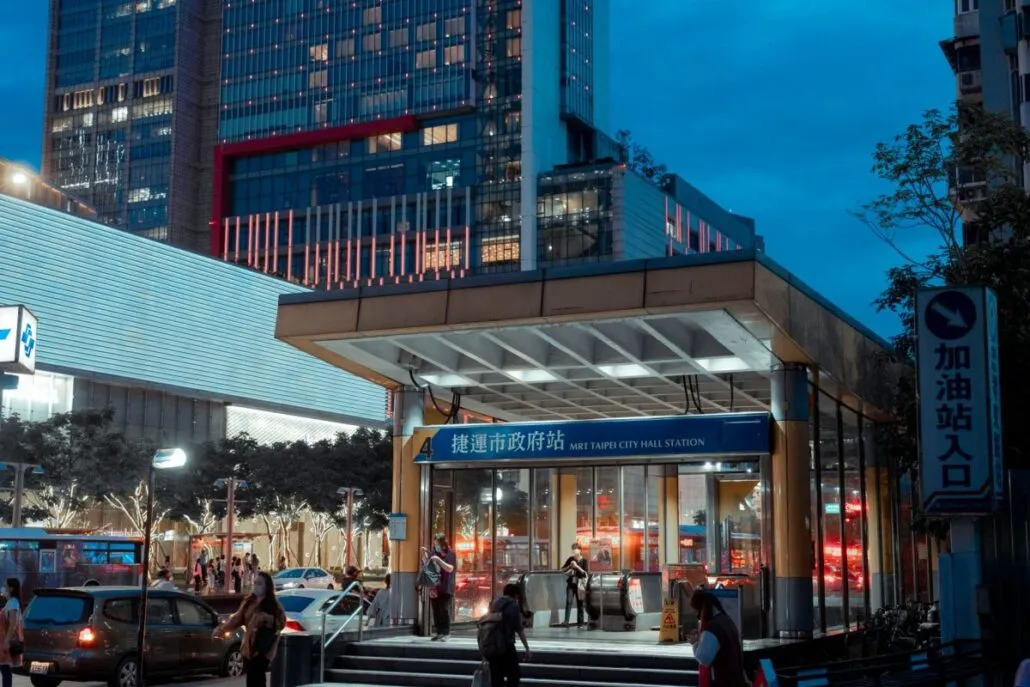
SMRT staff outside Labrador Park MRT helped a cyclist with head and face injuries, then paid for his Grab ride home, according to a Mothership report on 16 October 2026. It is a small story with a useful question inside it: what should you do when someone is hurt right outside a station?
- What happened outside Labrador Park MRT?
- Where is Labrador Park MRT and who runs it?
- What should you do if someone is hurt near an MRT station?
- Is a ride home enough after a head injury?
- What if it happens after the last train?
- How can cyclists stay safer near MRT stations?
- Why do small acts like this matter to riders?
- Before you tap in
- FAQ
What happened outside Labrador Park MRT?
Mothership reported on 16 October 2026 that SMRT staff came to the aid of a cyclist who had hurt his head and face outside Labrador Park MRT. The staff helped him at the scene and paid for a Grab ride so he could get home.
That is the extent of what was reported, and it offers a useful lesson. Station staff are trained to run trains and manage crowds, but they are also the people nearest to you when something goes wrong at the front door of a station. In this case, they treated an injured cyclist as someone worth looking after, not as something beyond their responsibility.
The Grab ride is the detail that stuck with many readers. It shows that help extends beyond the immediate emergency. Ensuring an injured person reaches a place of rest or care is part of the job.

Getting around Singapore? Find any station on the interactive MRT map, or save the PDF map to use offline.
Where is Labrador Park MRT and who runs it?
Labrador Park MRT is station CC27 on the Circle Line (yellow line), which SMRT operates. You can read more about it on the Labrador Park MRT station page.
The station sits in the south-western stretch of the loop, between Pasir Panjang and Telok Blangah. Since Stage 6 opened on 12 July 2026, the Circle Line has been a full loop, linking HarbourFront (CC29) to Marina Bay (CE2) through Keppel, Cantonment and Prince Edward Road.
This matters when reporting an incident to emergency services. Telling a responder or a driver that you are at Labrador Park MRT on the Circle Line, between Pasir Panjang and Telok Blangah, removes any doubt about where to come. The full list of stops is on the MRT stations in Singapore page.
What should you do if someone is hurt near an MRT station?
Alert station staff, call 995 if the injury looks serious, and keep the person still and calm until help arrives. A head or face injury should always be treated as serious until a medical professional says otherwise.
- Check for danger first. Move yourself, not the casualty, away from traffic or bicycles. If the person is on a path or road, warn others to slow down.
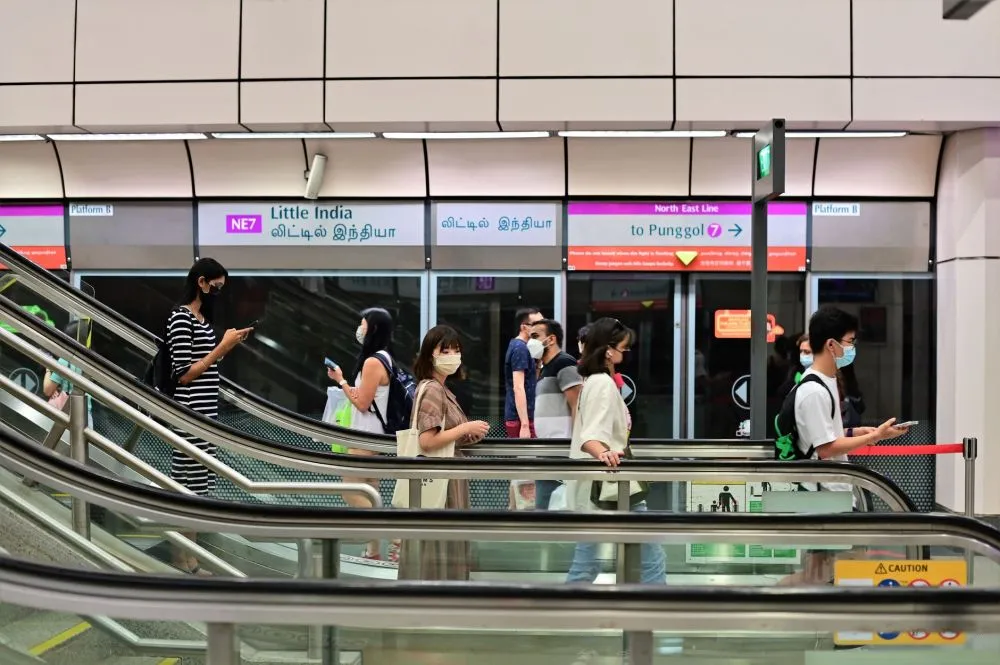
- Alert staff. Walk to the fare gates or the passenger service centre and tell staff what happened and where the person is. Station staff can coordinate help faster than a stranger can.
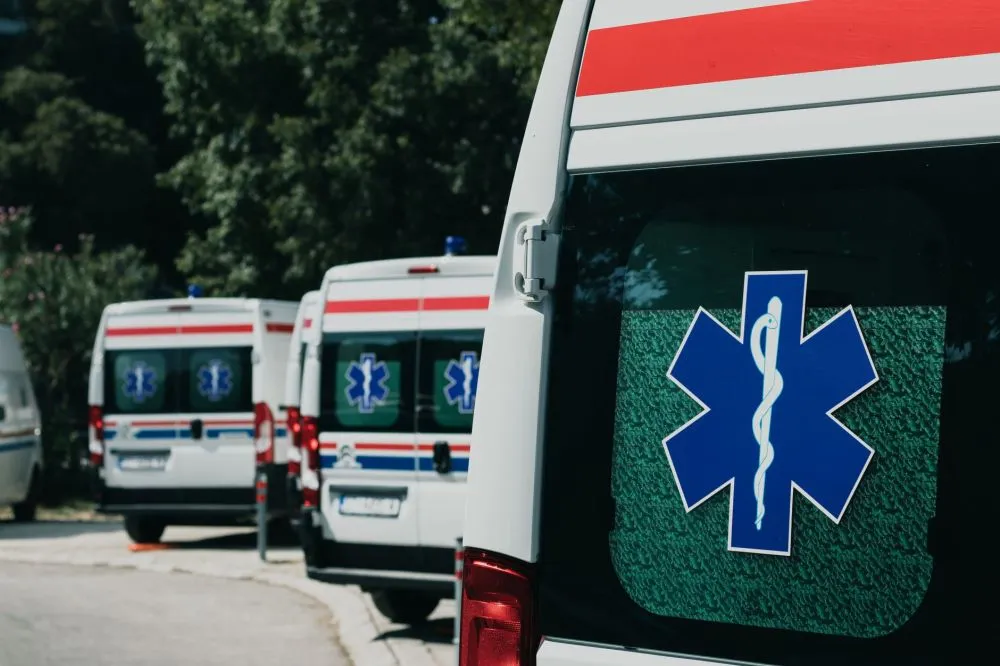
- Call 995 for an ambulance. Use it for bleeding that will not stop, confusion, drowsiness, vomiting, or any loss of consciousness. Call 999 if the police are needed.
- Keep the person still. Do not pull them up or remove a helmet unless a responder tells you to. Offer reassurance and stay with them.
- Give clear details. State the station name, the line and the nearest landmark when you call. For this case, that would be Labrador Park MRT, Circle Line.
Is a ride home enough after a head injury?
A ride home is a kind gesture, but head injuries can worsen after the first hour, so a medical check should come before going home. Watch for headaches that grow, repeated vomiting, drowsiness or confusion.
The Mothership report does not describe the cyclist’s medical care. The wider point for riders is practical. If you hit your head, or someone with you does, treat the Grab ride as the second step, not the first. Ask staff or a responder whether a clinic or hospital visit makes sense before you leave.
Having a companion in the car also helps. Anyone with a head injury should not be alone for the first few hours. If you offered help, ask whether a friend or family member can meet them at the destination.
What if it happens after the last train?
If an incident happens late at night, remember that the MRT does not run 24 hours. Last full-length trains leave the terminals between about 11.18pm and 11.56pm, and the old NightRider and Nite Owl buses were withdrawn in 2020.
This leaves taxis and ride-hail as the main options for anyone needing to get home or to hospital after the trains stop. This explains why the Grab ride in this story mattered. Check the MRT operating hours page so you know when the last train leaves from your station.
Early mornings present their own hazards. First trains leave the terminals between about 5.15am and 5.40am on Mondays to Saturdays, and 15 to 30 minutes later on Sundays and public holidays. Cyclists heading to a station before the first train often travel on paths with few other people.
How can cyclists stay safer near MRT stations?
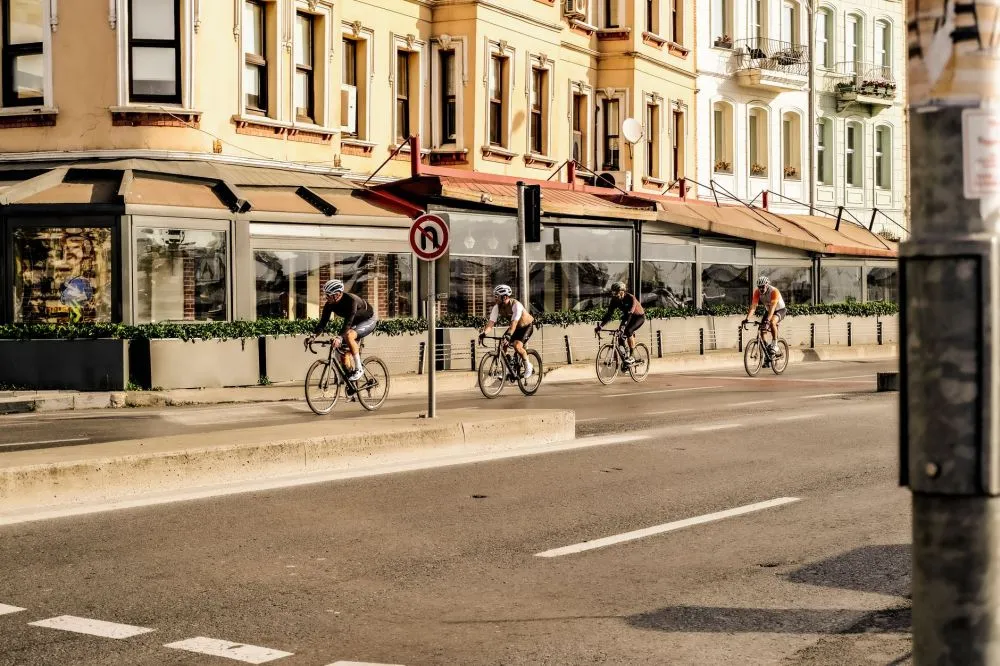
Slow down at station entrances, wear a helmet and expect pedestrians to step out without warning. Most injuries near stations occur where bicycles, pedestrians and buses share a small space.
The report does not explain how this cyclist was hurt, so this is not a comment on what went wrong. These habits help anyone cycling to a station like Labrador Park MRT, which sits near the coast and a park where weekend traffic is mixed.
- Brake early at crossings. Station forecourts and bus stops attract crowds at peak times.
- Use lights at dawn and dusk. Front and rear lights help drivers and walkers see you.
- Wear a helmet that fits. A loose one slides and protects less.
- Cycle the last stretch at walking pace. It costs seconds and avoids collisions at the gantry.
If you cycle to the MRT regularly, plan your route to the nearest station using the Singapore MRT map. A route that avoids busy roads is often better than the shortest one.
Why do small acts like this matter to riders?
They show what you can expect from station staff when something goes wrong. Staff do more than open gates or answer fare questions. They are a human point of contact on a network that is otherwise full of machines.
SMRT operates the North South Line, East West Line, Circle Line, Thomson-East Coast Line and Bukit Panjang LRT, so this staff culture applies across much of the network. You can find the operator’s contact details on the SMRT website. If you witness good service, or a service failure, telling the operator helps both sides.
Bystanders matter too. In Singapore, bystanders often assume someone else has already called for help. Call yourself. It takes under a minute and is better than no call at all.
Before you tap in
Save 995 in your phone, learn the name of the station nearest your home, and know that Labrador Park MRT sits at CC27 on the Circle Line. Check the list of all MRT and LRT lines to see how your own station connects, so you can describe your location clearly if you ever need to.