
On the morning of 30 October 2026, a Go-Ahead bus driver briefly lost consciousness while operating service 43E along Airport Road, sending the vehicle into a kerb near a bus stop. Two people were taken to hospital. The incident, reported by The Straits Times, highlights both the human vulnerabilities of bus operations and how quickly situations can escalate on Singapore’s roads.
- What happened when the bus driver lost consciousness?
- Who was affected and where are they now?
- What does this mean for riders using service 43E and Airport Road routes?
- How does this incident relate to bus driver fatigue and operator safety?
- What are the alternatives if you avoid Airport Road routes?
- Is bus travel safe in Singapore after such incidents?
- What happens now with the driver and the investigation?
- How can commuters stay informed about bus incidents and disruptions?
- Before you tap in
- FAQ
What happened when the bus driver lost consciousness?
The bus driver, aged 57, experienced a brief loss of consciousness while at the wheel of his Go-Ahead service 43E. Police received an alert at approximately 6.55am about the incident on Airport Road heading towards MacPherson Road. The vehicle skidded, mounted the kerb near a bus stop, and struck both a tree and an overground electrical distribution box in the collision.
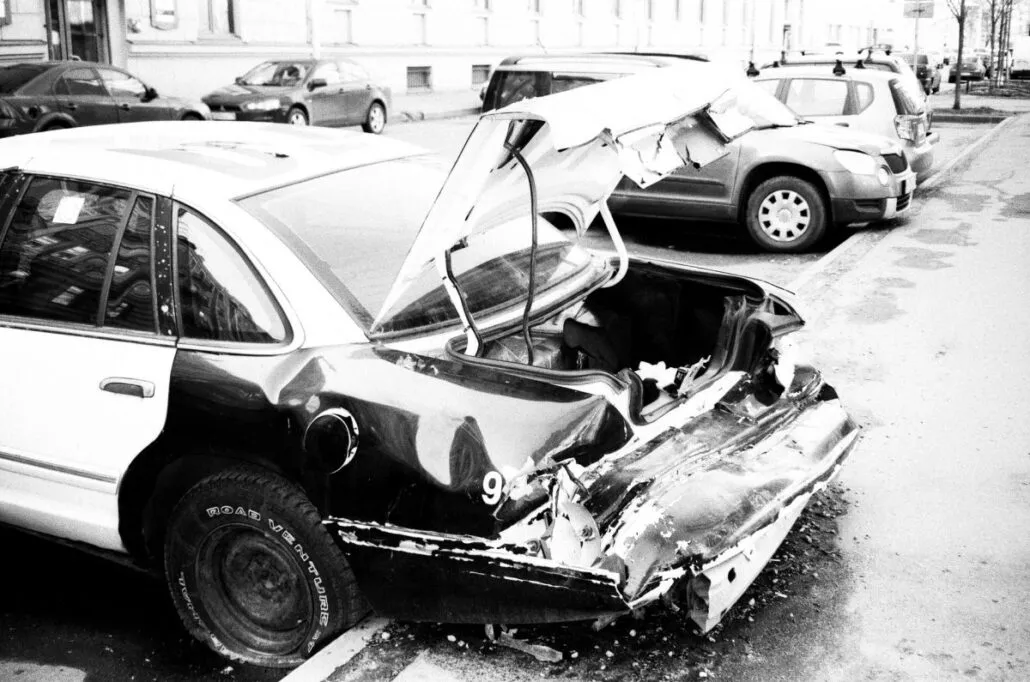
The driver regained consciousness shortly after the collision. Social media images from the scene reveal substantial damage to the front of the bus, including a completely dislodged front bumper, a cracked windscreen, and a shattered destination headsign. The electrical box and surrounding infrastructure were also damaged, and repair works were required.
Go-Ahead Singapore reported that the bus lane affected by the accident was reopened at approximately 9.20am, allowing traffic and subsequent services to resume. The operator stated it is cooperating fully with police investigations and remains in contact with both the driver and passenger who were hospitalised.
Getting around Singapore? Find any station on the interactive MRT map, or save the PDF map to use offline.
Who was affected and where are they now?
Two people required medical attention following the incident. The 57-year-old male driver and a 65-year-old male passenger on board were both taken conscious to Tan Tock Seng Hospital for further evaluation and treatment. Go-Ahead confirmed that there were no other reported injuries at the scene.
Both individuals received emergency medical care, and the operator has maintained contact with them regarding their condition and recovery. Police are investigating the circumstances of the driver’s loss of consciousness, which is a critical factor in determining what led to this event.
What does this mean for riders using service 43E and Airport Road routes?
Service 43E resumed normal operation after the bus lane was cleared and repaired. The Go-Ahead incident on Airport Road reinforces an important reality: bus services depend on driver health and alertness, and occasional medical episodes can occur despite operator safeguards.
Riders who depend on Airport Road connections should note that the route briefly experienced disruption. If you’re commuting through Macpherson or along the Airport Road corridor, consider alternatives such as the Circle Line (orange line), which serves MacPherson (CC10), or the Downtown Line (blue line) to reach MacPherson (DT26) with a short interchange.
For regular users of service 43E, Go-Ahead’s response demonstrates that the operator maintains communication channels during incidents and works to restore service quickly. Most disruptions are brief, though it’s always wise to check real-time traffic updates before departing if you’re travelling during peak morning hours.
How does this incident relate to bus driver fatigue and operator safety?
Loss of consciousness while driving is a rare but serious medical event. Causes can include sudden illness, pre-existing conditions, medication effects, or fatigue. Singapore’s bus operators, including Go-Ahead, SMRT, and SBS Transit, have duty-of-care protocols for driver health, though the specifics of how medical fitness is monitored remain operator policies.
The preliminary investigation into what caused this driver to lose consciousness will likely inform broader safety discussions around driver monitoring and health screening. Public transport operators must balance operational demands with driver wellbeing to prevent such incidents.
What are the alternatives if you avoid Airport Road routes?
Singapore’s public transport network offers multiple ways to reach most destinations. The incident was isolated to service 43E, but if you prefer to avoid that route temporarily or habitually, several options exist.
The MRT network map shows all active lines and stations. For daily commuters, tapping in with SimplyGo or a contactless bank card across both bus and rail networks makes switching between services straightforward. Most commutes have at least two viable routes.
Is bus travel safe in Singapore after such incidents?
Bus incidents involving driver health are statistically uncommon across Singapore’s large daily ridership. The incident was an isolated medical episode, not a systematic safety failure. Thousands of buses operate daily without incident, and both MRT and bus services maintain safety standards set by the Land Transport Authority (LTA).
Public transport in Singapore benefits from regular maintenance, trained staff, and emergency protocols. The rapid response to this incident by Go-Ahead, police, and medical services demonstrates that systems are in place to manage emergencies when they occur. Passengers can travel with confidence, though it’s always wise to report any concerns about driver or vehicle condition to the operator or LTA.
From a practical standpoint, bus travel remains one of the safest transport modes, with millions of passenger journeys completed safely each year. Medical episodes, though rare, can happen in any setting. What matters is how quickly responders act, and in this case, the response was swift.
What happens now with the driver and the investigation?
The 57-year-old driver is assisting police with their investigation into the circumstances of his loss of consciousness. Go-Ahead stated it is cooperating fully with authorities. The investigation will seek to establish whether the driver had any prior medical condition, whether he was medically cleared to operate the service, and what factors led to the episode.
Such incidents typically prompt operator review of driver health protocols and may result in recommendations to both Go-Ahead and the wider industry regarding driver monitoring or medical screening practices. Details of the investigation’s outcome are typically made public once police complete their preliminary probe.
How can commuters stay informed about bus incidents and disruptions?
Go-Ahead Singapore updates riders through its website and customer service channels when incidents disrupt service. Similarly, SMRT and SBS Transit both maintain real-time service alerts. Commuters can check SBS Transit and SMRT websites for alerts, or use journey-planning apps that integrate live traffic and service data.
Setting up mobile notifications from your operator of choice ensures you’re alerted to major disruptions as they happen. For regular commuters, checking the operating hours page and service status before peak-hour travel is a simple safeguard.
Before you tap in
The incident on Airport Road on 30 October was a sobering reminder that transport safety depends on the health and alertness of those operating our services, as well as the robustness of emergency response systems. While such medical episodes are rare, they happen, and Singapore’s operators and responders handled this one effectively. Your commute remains safe, but it’s always worth having a backup route in mind and staying alert to service updates. If you notice anything unusual on a bus or train, speak up. That’s how the system keeps working for everyone.