
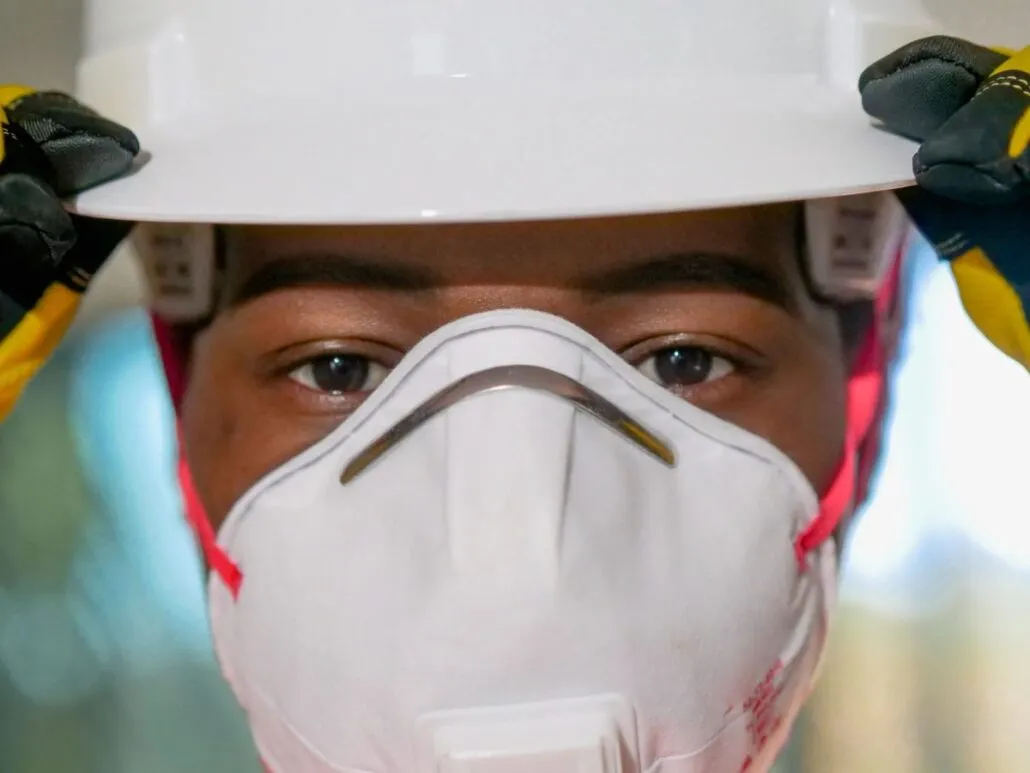
Public transport workers face a tough choice during Singapore’s haze season: protect your health or keep moving. From 12 October 2026, that choice became easier. The National Transport Workers’ Union (NTWU) began distributing free N95 masks to all bus and rail staff, alongside a new support network at bus interchanges where workers can refill water bottles and rest.
- Where rail and bus workers collect N95 masks for haze protection
- Why N95 masks for outdoor transport workers matter right now
- Support beyond masks: hydration and rest at the workplace
- Which transport operators are supporting the initiative
- What workers and riders should know about N95 use during haze
- How this compares to previous haze seasons
- Frequently asked questions about N95 masks for transport workers
- FAQ
Where rail and bus workers collect N95 masks for haze protection
The NTWU is distributing free N95 masks at canteens across 30 bus interchanges and terminals. If you work for SMRT or SBS Transit on the rail network, masks are available through your operator’s partnership with the union. Bus workers across all four major operators can also access them at these canteen locations.
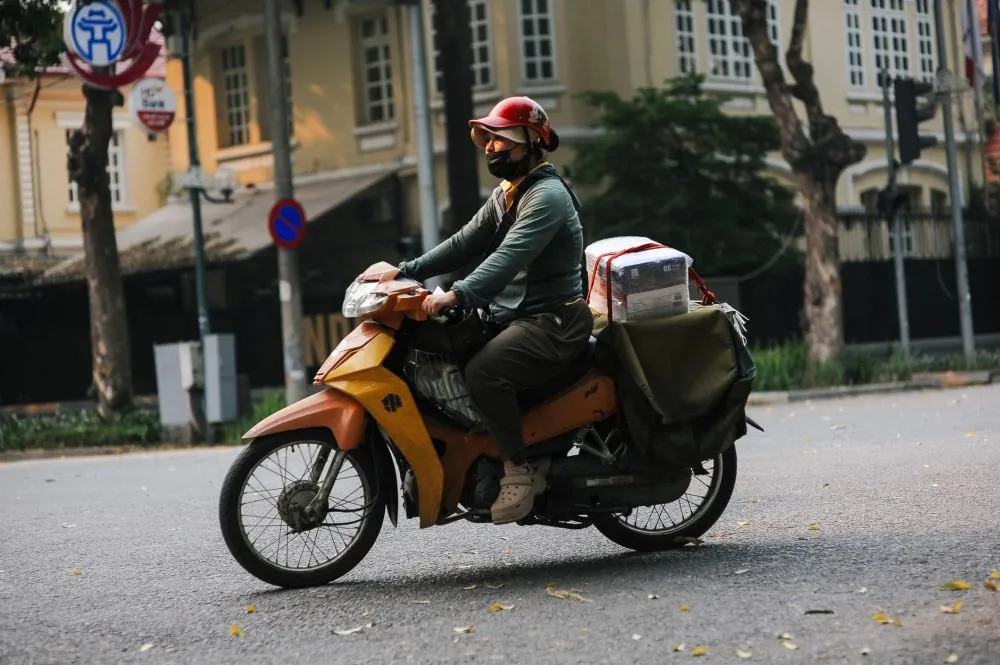
Specifically, NDCA delivery riders can collect masks at canteens located at Ang Mo Kio, Jurong East, Punggol and Woodlands bus interchanges, plus Shenton Way Bus Terminal. Each canteen is also offering discounted drinks from 90 cents, so riders can stay hydrated during their shifts without stretching their earnings.

Getting around Singapore? Find any station on the interactive MRT map, or save the PDF map to use offline.
Why N95 masks for outdoor transport workers matter right now
Bus drivers, rail platform staff, and delivery riders spend hours outdoors, exposed to whatever the air quality throws at them. Unlike office workers who slip indoors at 8am, transport workers remain on roads, at interchanges and along rail lines through the full haze event.
Air quality in Singapore first dipped into unhealthy levels on 4 September 2026, and it persisted into October. On 9 October, the Pollutant Standards Index (PSI) peaked at 192 in the central region between 5pm and 8pm, with PM2.5 hourly readings reaching 171 in the west on the same day. By 12 October, when the mask distribution began, PSI remained in the unhealthy range across the island.
For someone working a full eight-hour shift outdoors, breathing compromised air isn’t just uncomfortable: it can trigger respiratory stress, reduce oxygen intake and make physical work harder. Transport workers are often on their feet, moving between vehicles, managing crowds at interchanges, and responding to service demands. The haze makes every shift more demanding.
Support beyond masks: hydration and rest at the workplace
The NTWU has opened canteens at 30 bus interchanges and terminals not just for mask distribution, but to provide somewhere workers can rest and refuel during their shifts. Staying hydrated and taking adequate rest are part of the Ministry of Manpower’s (MOM) haze advisory, and many transport workers miss these basics when they’re rushing between services or routes.
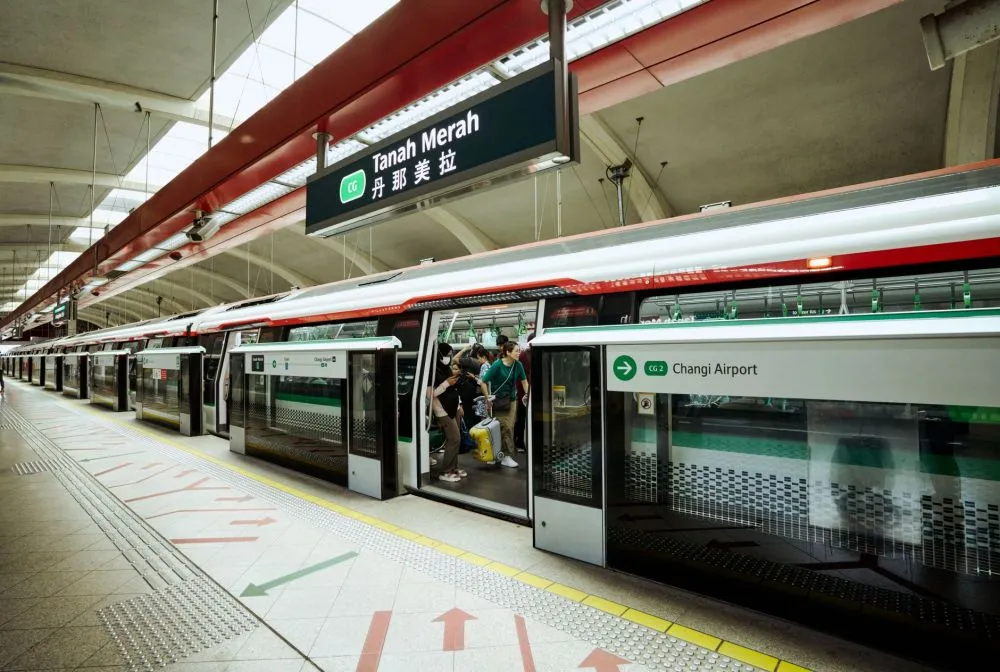
By placing these facilities at key interchanges like Ang Mo Kio and Woodlands on the North South Line, Jurong East where the East West Line meets major bus routes, and Punggol on the North East Line, the union is making rest accessible without forcing workers miles out of their way.
Foodpanda, a major delivery platform, donated over 2,500 N95 masks to support the NDCA distribution. The company has also implemented existing haze precautions for its riders, including regular air-quality advisories, scheduling flexibility to adjust when they work, and an app feature allowing short breaks while maintaining applicable incentives.
Which transport operators are supporting the initiative
This is a coordinated effort across Singapore’s major transport operators. SMRT operates the Circle Line, North South Line, East West Line, Thomson-East Coast Line, and the Bukit Panjang LRT. SBS Transit runs the North East Line, Downtown Line, plus the Sengkang LRT and Punggol LRT. Both are distributing masks to their rail staff. On the bus side, Go-Ahead Singapore, SBS Transit, SMRT and Tower Transit are all participating, covering the majority of public bus services across the island.
What workers and riders should know about N95 use during haze
An N95 mask blocks at least 95 percent of airborne particles, making it effective against the fine particulate matter (PM2.5) that dominates haze. Unlike cloth or surgical masks, it requires a proper seal around the nose and mouth to work. Workers should check that the mask fits snugly; if it slides or gaps form, protection drops significantly.
N95 masks are not meant for all-day continuous wear. After four to eight hours of use, the mask’s filtering capacity degrades and the material becomes uncomfortable. Transport workers on full shifts should change masks midway through the day if possible. The free distribution ensures that workers aren’t forced to choose between cost and safety.
Workers should also monitor haze levels themselves. The Land Transport Authority (LTA) publishes real-time air quality data. When PSI climbs into the unhealthy or hazardous range, wearing an N95 becomes essential rather than optional.

How this compares to previous haze seasons
Singapore has faced haze events before, but coordinated distribution of protective equipment directly to workers is new. Previously, individual employers sourced masks themselves, and budget-constrained workers sometimes went without. This year’s initiative by the NTWU recognises that transport workers are essential and deserve the same protection standards as office-based sectors.
Canteen facilities at interchanges establish a new standard. Previously, bus and rail workers had to bring their own water and find shelter during breaks. Now, 30 locations across the network offer places to rest, refuel and collect personal protective equipment without leaving their route far behind.
The high PSI readings in October 2026 (peaking at 192 in central Singapore) underscore why this infrastructure matters. Transport workers cannot stay home during air quality crises; passengers still need to reach work, and goods still require delivery. Giving workers the tools to do their job safely is both a health issue and an operational necessity.
Frequently asked questions about N95 masks for transport workers
For more detail on how all six MRT lines and three LRT systems are structured, and how the system operates, explore our complete transport guides.
Remember that this mask distribution is temporary but important support during Singapore’s haze season. If you are a transport worker or delivery rider, collect your masks promptly. Check with your operator or visit the nearest participating NTWU canteen, especially if you’re working outdoor routes where air quality affects every breath.