
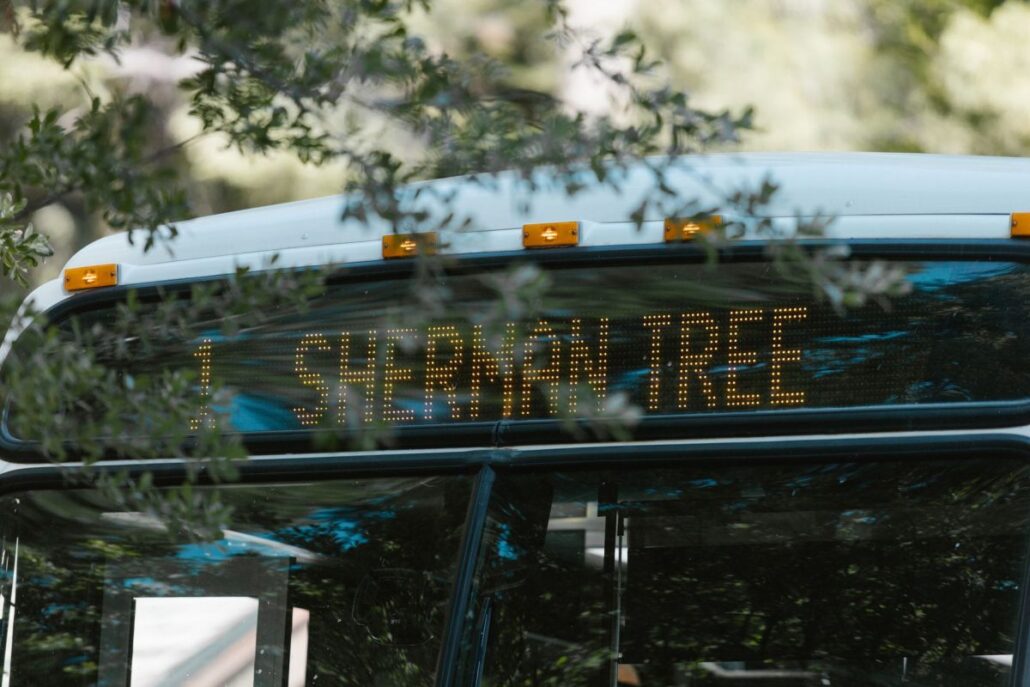
On 12 October 2026, the Land Transport Authority (LTA) confirmed that autonomous bus trials originally planned for public routes have been cancelled. According to The Straits Times, the authority is now exploring smaller-scale autonomous bus trials instead of deploying the six vehicles on public services.
- Why autonomous bus trials were postponed
- What are autonomous bus trials testing now?
- Which routes were affected by the cancellation?
- What does this mean for public transport automation?
- How do autonomous buses fit into Singapore's wider transport strategy?
- Frequently asked questions
- What should commuters expect next?
- FAQ
The original plan represented a significant step for Singapore’s transport network. Six autonomous buses were meant to operate on two shorter, simpler SBS Transit routes in Marina Bay, Shenton Way and one-north in Buona Vista for an initial three-year trial period.
Why autonomous bus trials were postponed
This shift reflects a more cautious, phased approach to autonomous vehicle deployment on public transport. LTA stated it is exploring narrower use cases for autonomous buses before considering wider deployment on public bus services, which is more complex than operating on fixed, predictable routes.
Operating driverless buses on busy public routes involves navigating unpredictable traffic, pedestrians, and varied road conditions. Employee shuttle services, by contrast, typically follow set schedules and serve dedicated workforces from known pickup points, making them far simpler to manage and monitor.
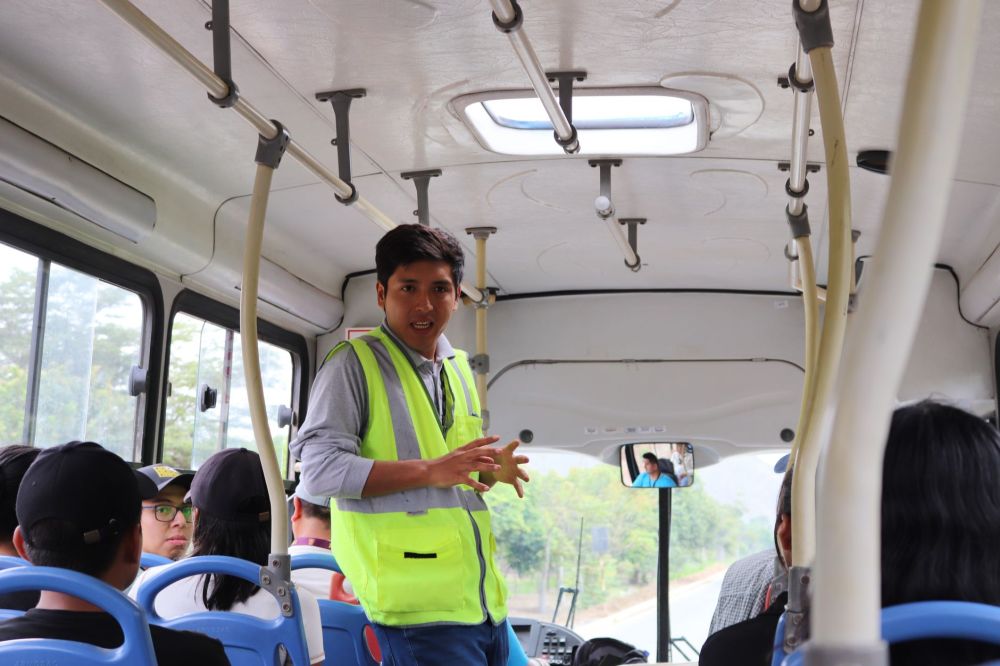
The first of the six autonomous buses arrived in March and passed LTA’s closed-circuit test, which assessed basic manoeuvres and the vehicle’s ability to allow passengers to board and alight safely at all designated stops. The remaining five buses are undergoing preparation for closed-circuit testing.
Getting around Singapore? Find any station on the interactive MRT map, or save the PDF map to use offline.
What are autonomous bus trials testing now?
LTA is now evaluating how driverless buses can serve targeted groups of commuters through employee shuttle services instead of public routes. This narrower focus allows the authority to gather real-world data on autonomous vehicle performance in a controlled operational environment.
The six 16-seater buses would have operated with bus captains on board as safety operators. Real-time monitoring by LTA would have assessed self-driving performance and compliance with regulations. That same safety framework will apply to the new trial approach, but on smaller, more manageable routes.
Which routes were affected by the cancellation?
The two SBS Transit routes originally chosen for the autonomous bus trial were service 400 and service 191. These routes were selected because they are shorter and simpler compared with other public bus services, reducing the complexity of introducing autonomous vehicles to the network.
Riders currently using services 400 and 191 will see no changes to their journeys. Both routes will continue to operate with conventional buses and drivers as normal. The cancellation affects only the experimental deployment component, not the everyday services themselves.
What does this mean for public transport automation?
Singapore remains committed to autonomous buses, but the timeline has become more measured. The city has already deployed driverless train technology across multiple lines. The North East Line, Circle Line and Downtown Line all operate driverless trains.
Buses present greater challenges. Trains run on fixed tracks with controlled entry points. Buses share roads with cars, motorcycles, cyclists and pedestrians, requiring more sophisticated sensors and decision-making systems. Testing on employee shuttles first allows LTA to refine the technology and build confidence among operators and the public before introducing autonomous buses to general commuters.
How do autonomous buses fit into Singapore’s wider transport strategy?
Autonomous buses are seen as one tool for managing future demand as Singapore’s population grows and commuter expectations evolve. They could improve service reliability, reduce operating costs, and free up drivers for other roles within transport operators.
However, public acceptance matters. Testing on employee shuttles allows LTA and operators like SBS Transit to gather feedback from commuters familiar with the concept and willing to participate in trials. This feedback loop is crucial before launching on high-volume public routes where passenger expectations are different.
The technology raises practical questions about passenger safety, emergency procedures, and how autonomous systems behave in edge cases such as equipment failure or severe weather. Each small-scale trial provides data that makes the larger-scale rollout safer and more reliable.
Frequently asked questions
Will services 400 and 191 eventually receive autonomous buses?
LTA has not ruled out returning to these routes eventually, but there is no timeline. The authority is prioritising employee shuttle trials first to gather safety and operational data before considering public route deployment.
When will autonomous buses appear on Singapore public bus routes?
No date has been announced. LTA is taking a phased approach and will likely announce specific timelines only once employee shuttle trials are complete and safety assessments are satisfied. This could take several years.
Are the six autonomous buses unused?
No. All six buses have been delivered and the first has completed closed-circuit testing. The remaining five are undergoing preparation for testing. They will be used for employee shuttle trials and further evaluation.
How do autonomous buses on shuttles differ from the driverless trains already running?
Trains operate on fixed, separated tracks with no other traffic. Buses share roads and must navigate around other vehicles and pedestrians, making the technology and testing far more complex. Shuttle routes offer a middle ground with predictable schedules and known passenger groups.
What should commuters expect next?
Everyday riders will see no immediate change to bus services. The cancellation of the public trial only affects experimental deployment, not regular operations. SBS Transit and other bus operators will continue using human drivers on all public routes.
If your workplace is large or technology-focused, you may eventually be invited to participate in an autonomous shuttle trial. LTA and bus operators will likely seek employee feedback to build public confidence before any wider rollout. Keep an eye on workplace announcements and LTA’s official channels for updates.
For now, the six autonomous buses represent a pause rather than an end. Singapore remains committed to exploring autonomous bus technology; the route has simply shifted from public roads to controlled environments where the technology can be tested more thoroughly. This caution protects both passengers and the long-term viability of autonomous buses as a transport solution.