
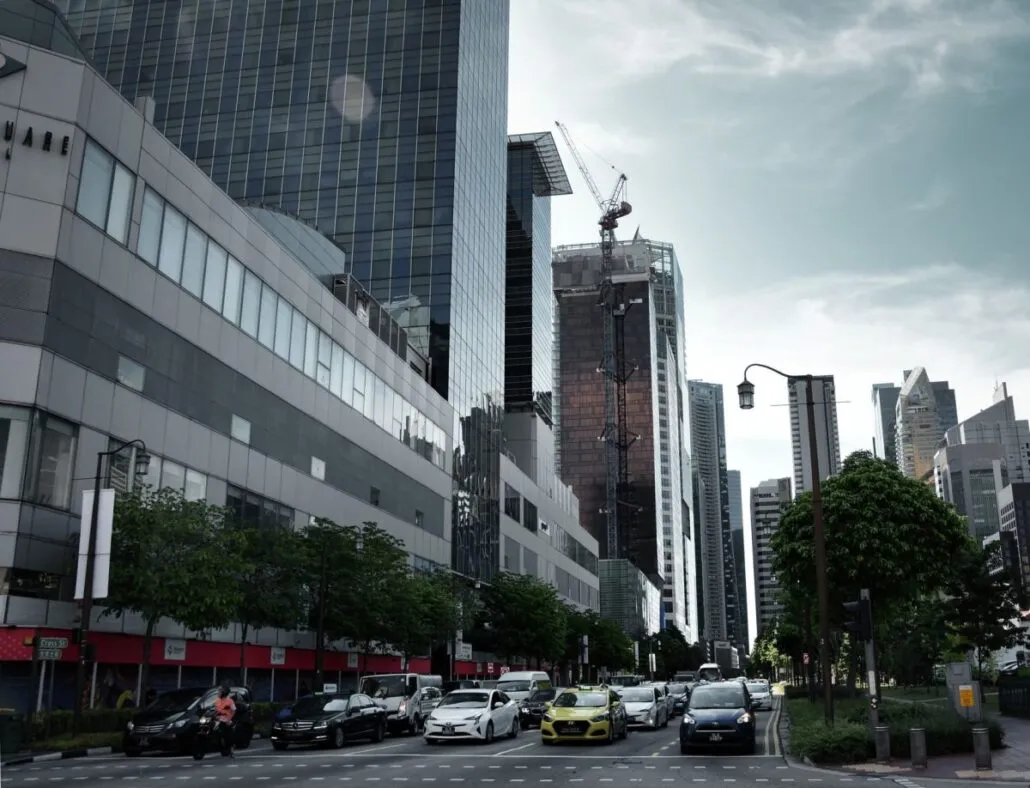
From 14 November 2026, one full lane of Ang Mo Kio Avenue 3 near AMK Hub will close to all motor traffic for 18 months. The Land Transport Authority (LTA) announced the Ang Mo Kio traffic diversion to allow engineers to safely extract and investigate underground obstructions that have halted Cross Island Line (CRL) tunnelling work. Only public buses will be permitted in the affected area.
This closure is not routine construction inconvenience. It stems from a critical problem discovered underground: thick steel wires, later identified as ground anchors from temporary retaining wall supports, became entangled in the tunnel boring machine’s rotating cutterhead. Between May and July, workers manually intervened 100 times to free the wires. They removed roughly 800 kilograms of material and replaced 22 damaged cutters on the machine.
The question now facing LTA is how these undocumented anchors got there and whether similar obstructions exist elsewhere along the CRL alignment.
Why the Ang Mo Kio traffic diversion is necessary
When tunnelling work began in May 2026, workers discovered the wires wrapped around the cutterhead, the rotating steel wheel at the front of the tunnel boring machine that excavates soil and rock. LTA’s first approach was to remove the wires manually and continue tunnelling. This strategy failed. Between May and July, the cutterhead snagged the wires repeatedly.
Surface investigations, called boreholes, had not detected these anchors. They sample ground conditions only at set intervals and cannot reliably identify this type of ground anchor unless a borehole happens to intersect exactly where an anchor is present. The anchors were not documented in engineering drawings available to the project team either, which made them an unforeseen obstacle.
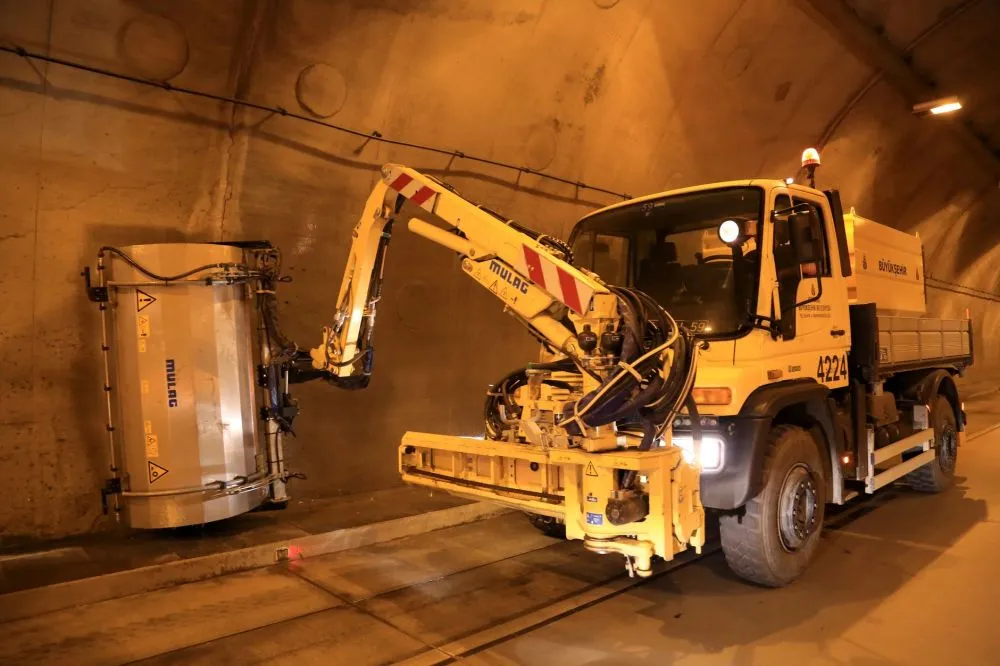
By mid-July, LTA made the decision to pause tunnelling work entirely and conduct a thorough surface investigation. To conduct this investigation safely and comprehensively, engineers needed to realign and partially close Ang Mo Kio Avenue 3 above the tunnel section. The road diversion will allow them to excavate and examine the full extent of the obstruction, determine what caused it, and establish whether the underground alignment is stable for tunnelling to resume.
LTA also plans ground stabilisation works during this period. The Ang Mo Kio traffic diversion runs from 14 November 2026 to May 2028, giving the team approximately 18 months to complete the investigation and remedial work.
Getting around Singapore? Find any station on the interactive MRT map, or save the PDF map to use offline.
What this means for your commute to Ang Mo Kio station
The good news: the Ang Mo Kio traffic diversion does not affect train services at Ang Mo Kio MRT station on the North South Line (NS16). Trains continue to run normally. Commuters can tap in and tap out using their SimplyGo card or contactless bank card as usual, paying distance-based fares. The station itself remains fully operational.
However, if you drive or take a taxi or private hire car to Ang Mo Kio station, expect delays during peak hours from mid-November onwards. The closure affects the stretch of road running past AMK Hub at the junction of Ang Mo Kio Avenue 3 and Ang Mo Kio Avenue 8. Traffic will be rerouted along alternative roads, likely adding 10 to 15 minutes to journeys depending on the time of day.
Public bus services remain prioritised. Buses operate normally in the single lane reserved for public transport, so if you currently catch the bus near AMK Hub, your journey should not be significantly affected.
The Cross Island Line context: why Ang Mo Kio matters
Ang Mo Kio is one of four major interchange stations on the first phase of the Cross Island Line (CRL Phase 1). When it opens in 2030, Ang Mo Kio will connect the North South Line (NS16) with the new Cross Island Line, giving commuters a direct interchange between the two lines.
CRL Phase 1 spans 29 kilometres from Aviation Park in Changi to Bright Hill, with 12 stations total. The project is part of Singapore’s long-term transport strategy to provide orbital connectivity and reduce congestion on the existing radial lines like the North South Line. The project is operated by SMRT.
The underground anchors discovered near Ang Mo Kio have raised questions about project timelines. LTA’s group director for CRL, Ng Choon Yeang, stated that the team is assessing the full impact of the obstruction on the 2030 completion target. No formal delay announcement has been made, but the 18-month surface investigation and ground stabilisation work will inevitably compress the remaining construction schedule.
At this stage, LTA has indicated there is no sign of similar undocumented anchors elsewhere along the tunnel alignment. The issue appears specific to the Ang Mo Kio location.
How to navigate the Ang Mo Kio traffic diversion as a commuter
For public transport users, the Ang Mo Kio traffic diversion changes little. The North South Line (NS16) station is your main connection. Trains start running around 5.16am on weekdays and the last full-length train departs around 11.18pm, so check Singapore MRT operating hours if you travel early or late.
If you drive to Ang Mo Kio, give yourself extra time from 14 November 2026 onwards. Allow an additional 15 to 20 minutes for your journey, particularly during peak hours on weekdays. Alternative routes via Ang Mo Kio Avenue 1 or Avenue 9 may be signposted, so follow LTA’s traffic signs when they are installed.
For those using taxis or private hire cars (Grab, Gojek), journey times will likely spike. Budget accordingly and consider booking earlier than usual during peak hours to account for the detour.
Bus services will continue to operate in the single lane reserved for public transport. Check with your bus operator for any minor routing adjustments, but on the whole, bus commuters should experience minimal disruption compared to private vehicles.
What happens after the investigation is complete
When ground stabilisation and investigation work concludes in May 2028, the road will reopen and traffic diversions will be lifted. At that point, tunnelling work for the Cross Island Line is expected to resume, though any impact to the 2030 Phase 1 completion date will become clearer over the coming months as LTA provides updates.
The Land Transport Authority has not yet announced whether the Ang Mo Kio traffic diversion will push back the full CRL opening. Given that Phase 1 still has three other interchange stations to construct (at Aviation Park, Bukit Timah area, and Bright Hill), and ongoing work in other sections, the overall project timeline depends on whether similar obstructions are discovered elsewhere.
For now, LTA is focusing on understanding the scope of the problem at Ang Mo Kio and ensuring the tunnel alignment is safe and stable before work resumes.
FAQ
Will the North South Line closure affect me if I travel through Ang Mo Kio?
No, the North South Line will not close. Only the road surface above part of the Cross Island Line tunnel will be affected. Ang Mo Kio MRT station (NS16) remains fully open and operational throughout the diversion period.
Can I still take the bus near AMK Hub during the diversion?
Yes. Public buses have a reserved lane and will continue operating with minimal delay. Only private motor vehicles (cars, taxis, private hire) are diverted from 14 November 2026 to May 2028.
How much longer will my drive take if I travel through Ang Mo Kio Avenue 3?
Expect additional delay during peak hours, depending on traffic conditions and which alternate route you use. Plan ahead and monitor traffic apps like Google Maps or Waze for real-time rerouting.
What caused the underground wires blocking the Cross Island Line tunnel?
The wires are part of ground anchors, steel structures drilled into the ground to temporarily support retaining walls. They were not detected during initial soil investigations and were not shown on available engineering drawings, making them an unforeseen obstruction when the tunnel boring machine encountered them in May 2026.

Before you tap in
The Ang Mo Kio traffic diversion is a temporary setback for an important long-term project. For MRT commuters, nothing changes, tap in as usual with your SimplyGo card and travel normally. For drivers, the message is clear: switch to public transport where possible, or give yourself extra time and check traffic apps daily. By May 2028, the road will reopen and the Cross Island Line project will move one step closer to its 2030 opening target. Stay informed via LTA’s official channels as work progresses.