
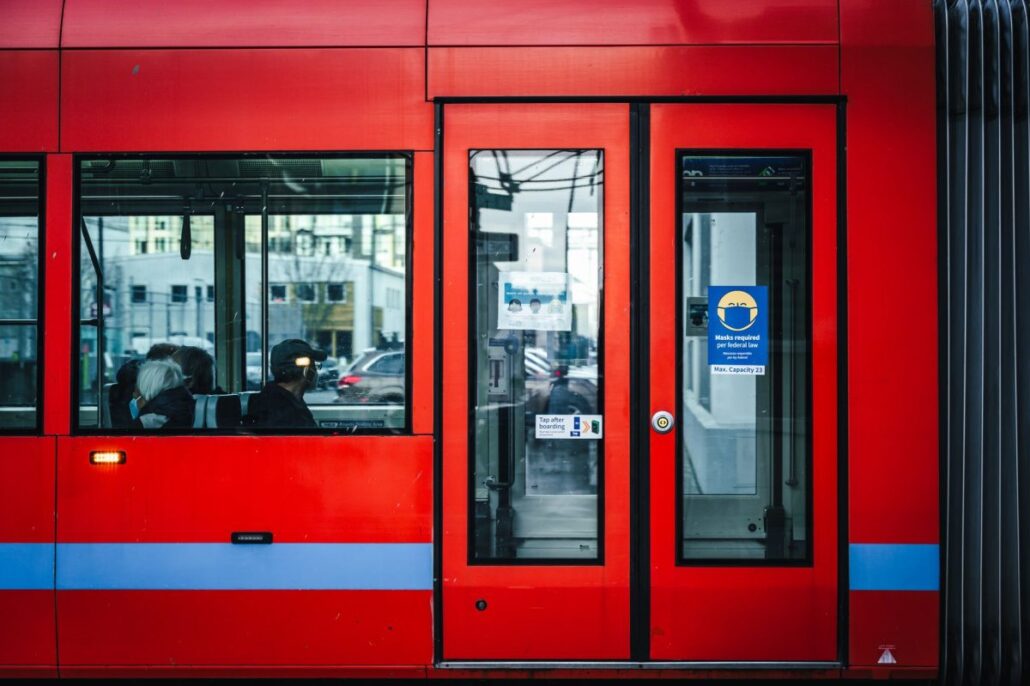
The Sengkang West LRT runs a full service again from today, 4 October 2026, two weeks earlier than planned. If you live along the loop, the next question is whether your mornings will feel any different.
- What is happening on the Sengkang West LRT today?
- Why did the inner loop close for six months?
- Which stations are on the Sengkang West LRT loop?
- How do the free off-peak rides work?
- Will the Sengkang-Punggol LRT feel less crowded?
- How should you plan your commute on the Sengkang West LRT?
- Before you tap in
- FAQ
What is happening on the Sengkang West LRT today?
Full train service returns to the Sengkang West LRT on 4 October 2026, ending a six-month closure of the inner loop. The Straits Times reported that the work was done to upgrade the Sengkang-Punggol LRT depot, and that it finished two weeks before the original target.
The reopening matters because the Sengkang LRT, run by SBS Transit, is a feeder system. Its hub is Sengkang (NE16/STC), where the LRT meets the North East Line (NEL). When one loop experiences reduced service, every neighbourhood on it feels the knock-on effect at the NEL fare gates.
The announcement came with more than a date. On 2 October 2026, officials also confirmed an extension of the free off-peak ride scheme and a larger fleet for the SPLRT. We cover both below.
Getting around Singapore? Find any station on the interactive MRT map, or save the PDF map to use offline.
Why did the inner loop close for six months?
The inner loop closed because the SPLRT depot is being rebuilt to hold more trains. The depot originally covered 3.5ha, roughly five football fields, and expansion works have been underway since 2022.
Once the LRT depot upgrade is completed in 2027, the site will span 11.1ha. That is about three times the original size. A bigger depot means space to park, inspect and maintain a larger fleet of light rail vehicles, which is what a growing ridership needs.
A depot functions as the ceiling on a line’s capacity. You can order new trains, but without somewhere to store and service them, they cannot go into service. The six-month closure was the price of lifting that ceiling.
Which stations are on the Sengkang West LRT loop?
The West Loop has eight stations, from SW1 Cheng Lim to SW8 Renjong, and connects to the NEL at Sengkang. The full order is Cheng Lim (SW1), Farmway (SW2), Kupang (SW3), Thanggam (SW4), Fernvale (SW5), Layar (SW6), Tongkang (SW7) and Renjong (SW8).
The East Loop is separate, with Compassvale (SE1), Rumbia (SE2), Bakau (SE3), Kangkar (SE4) and Ranggung (SE5). Our Sengkang LRT page shows how both loops fit together, and the LRT stations directory covers every light rail stop in Singapore.
Most Sengkang West LRT journeys end with a transfer to the NEL. Here is where that transfer takes you if you head towards town.
| From Sengkang (NE16) | Line and station | Useful connection |
|---|---|---|
| Dhoby Ghaut | NEL, NE6 | North South Line (NS24) and Circle Line (CC1) |
| Serangoon | NEL, NE12 | Circle Line (CC13), for Bishan (CC15) or Paya Lebar (CC9) |
| Little India | NEL, NE7 | Downtown Line (DT12) |
| Outram Park | NEL, NE3 | East West Line (EW16) and Thomson-East Coast Line (TE17) |
| HarbourFront | NEL, NE1 | Circle Line (CC29), end of the NEL |
Serangoon is the one many commuters overlook. If your office is along the Circle Line, changing there can save you a trip all the way to Dhoby Ghaut. Read more about the line on our North East Line guide.
How do the free off-peak rides work?
The scheme gives you a free first rail ride on weekdays if you tap in before 7.30am or between 9am and 9.45am. It applies at any SPLRT station and at six NEL stations, and it now runs until 26 December 2027.
The scheme launched in December 2025. Its aim is to shift some riders away from the busiest part of the morning peak. Note the gap between 7.30am and 9am: tap in during that period and you do not qualify.
Senior Minister of State for Transport Sun Xueling spoke at the SPLRT depot on 2 October 2026. She said the target had been to shift about 7% of commuters to other travel times, but approximately 10% did so. She added that she hoped the extension would draw more people to off-peak travel.
The 10% result merits attention. It shows that flexible commuters respond when the incentive is clear, and every rider who moves earlier or later frees a seat for someone who cannot.
Public transport fares go up by 12 to 13 cents for adult card users from 26 December 2026, so a free off-peak ride is worth a little more from then. Our fare increase explainer has the details, so you can weigh the saving from free off-peak rides against the new fares.
Will the Sengkang-Punggol LRT feel less crowded?
Yes, but gradually. The Land Transport Authority (LTA) said on 2 October 2026 that it will add eight more third-generation, two-car light rail vehicles, taking the SPLRT to 41 two-car vehicles by 2030. Average capacity across the SPLRT should rise by 30% once all the carriages are in.
The fleet is undergoing modernisation. The ageing first-generation trains, comprising 25 one-car and eight two-car models, are being replaced by 25 third-generation vehicles currently being delivered. The eight second-generation, two-car models stay in service.
| Vehicle group | Number | Status |
|---|---|---|
| First-generation, one-car | 25 | Being replaced |
| First-generation, two-car | 8 | Being replaced |
| Third-generation, two-car | 25 being delivered, plus 8 more | 33 in total by 2030 |
| Second-generation, two-car | 8 | Remain in service |
| All two-car vehicles | 41 | Target by 2030 |
The arithmetic works out: 33 third-generation vehicles plus eight second-generation ones make 41. The jump comes from the two-car format, because a two-car train carries more passengers than a one-car train on the same track.
The pressure behind the order is real. SBS Transit reported in its half-year business update that the NEL averaged 602,000 passenger trips a day, up 1.5% from the same period in 2025. Sengkang and Punggol together are home to more than 450,000 people, and the NEL and SPLRT are often packed at peak hours.
How should you plan your commute on the Sengkang West LRT?
Plan around two facts: the loop has fully resumed as of 4 October 2026, and the main pressure point is at the NEL transfer, not on the LRT itself. A few small habits make a visible difference.
Start with the clock. If you can leave before 7.30am or after 9am, you improve your own journey and may qualify for a free first ride. If your hours are fixed, board from the end of the platform where the crowd is lighter, and stay clear of the doors.
Next, think about your NEL leg. Sengkang and Punggol are the two ends of the Sengkang-Punggol LRT network, and both stations are busy at the same hours. If you change at Sengkang MRT station, allow for a queue at the lift or escalator. Riders whose loop meets the line at Punggol should look at the Punggol MRT station page, and our Punggol LRT guide covers the neighbouring system.
Finally, watch for developments in 2027. The depot should be finished then, and the new vehicles will arrive in stages up to 2030. Expect improvements in crowding to occur gradually rather than overnight, so the off-peak habit remains valuable in the meantime.
Before you tap in
The Sengkang West LRT is back in full, the free off-peak scheme runs to 26 December 2027, and bigger trains arrive by 2030. Check your usual tap-in time against the 7.30am and 9am to 9.45am windows this week. For the wider picture, read our overview of the Singapore MRT network.