
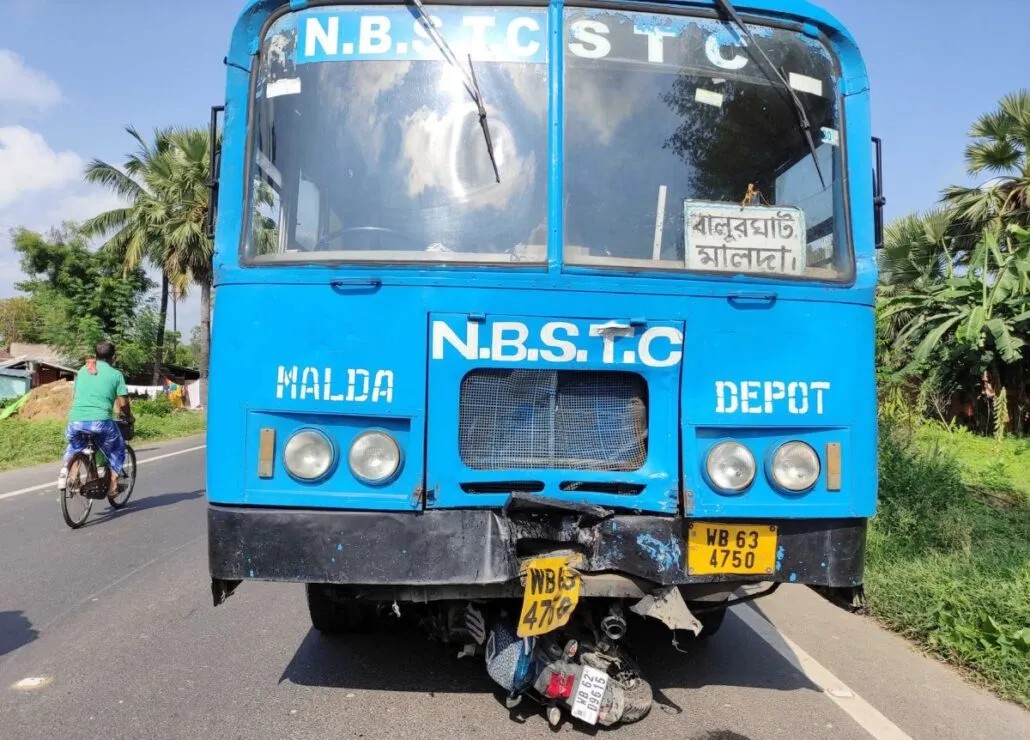
An SBS Transit bus crashed through the central divider in Jalan Kayu on 2 November 2026, forcing police and emergency crews to respond at around 1.40pm. The SBS Transit bus crash occurred after what police described as a self-skid incident, leaving one passenger with minor injuries. According to The Straits Times, the 65-year-old driver is assisting investigations, while the transport operator apologised for the disruption caused to passengers and other motorists.
This SBS Transit bus crash marks another incident in a troubling pattern of road accidents involving public transport. On 30 October, a Go-Ahead Singapore bus mounted a kerb in Airport Road and hit a tree after the driver briefly lost consciousness. The back-to-back incidents have raised questions about vehicle safety systems, driver wellbeing, and how commuters can stay safe during their journeys.
What happened in the Jalan Kayu incident?
The SBS Transit bus self-skidded while travelling on Jalan Kayu towards Sengkang West Avenue, according to police and the Singapore Civil Defence Force (SCDF). The vehicle crossed the central divider and mounted it, damaging several trees planted along the median. One passenger was assessed for minor injuries but declined transport to hospital. Video footage posted on social media showed the bus wedged against the divider, with damage visible to the roadside landscaping.

The incident occurred at 1.40pm during afternoon traffic. The SBS Transit spokeswoman Grace Wu said the operator was assisting police and apologised for inconvenience caused to affected passengers and other road users. The driver, aged 65, is cooperating with investigators as they determine the cause of the self-skid.
Getting around Singapore? Find any station on the interactive MRT map, or save the PDF map to use offline.
How does this affect bus riders on this route?
The SBS Transit bus crash on Jalan Kayu would have caused localised traffic disruption, though the extent and duration were not detailed in official reports. Riders who regularly use bus services in the Jalan Kayu and Sengkang West area should be prepared for potential delays while recovery and investigation work takes place. SBS Transit typically provides service updates through its website and mobile app when major incidents occur.
The area around Jalan Kayu sits between the North East Line (purple line) station at Sengkang (NE16) and the Punggol station (NE17), both served by the North East Line operated by SBS Transit. Commuters using buses in this neighbourhood have the option to switch to the North East Line for travel to central Singapore or other parts of the eastern and north-eastern sectors. The Sengkang LRT and Punggol LRT networks also serve the broader area.
Rising concern over bus and driver safety
The Jalan Kayu SBS Transit bus crash follows a pattern of serious incidents. The Go-Ahead bus crash on Airport Road on 30 October involved a driver who lost consciousness, according to preliminary police investigations. That incident raises critical questions about how operators monitor driver health and fatigue, particularly on routes that operate throughout the day.
Both SBS Transit and SMRT have invested in driver training and support programmes. However, serious incidents have prompted public concern about vehicle maintenance, real-time monitoring systems, and whether existing safety protocols are sufficient. Driver age and health screening become particularly relevant when operators employ drivers into their 60s and beyond.
Bus operators across Singapore have implemented safety measures, including telematics systems that track vehicle performance, driver behaviour monitoring, and scheduled health checks for drivers. No system can prevent every incident, particularly when a self-skid or sudden driver incapacity occurs.
Should you take the MRT instead during incidents like this?
Switching to the MRT or LRT during bus service disruptions can save time and reduce exposure to road traffic risks. The North East Line runs driverless trains with automated safety systems, eliminating the human factors that can cause bus incidents. Trains on the North East Line stop at Sengkang and Punggol, both hubs where you can connect to the Sengkang LRT and Punggol LRT networks, which also operate without drivers.
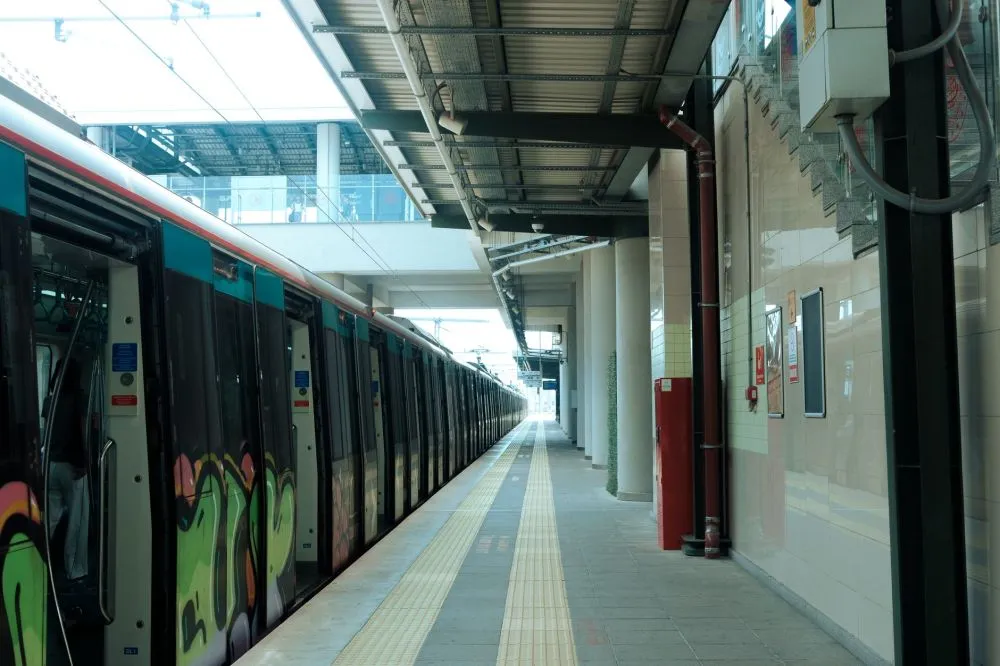
To reach the CBD or other central areas, the North East Line connects to major interchanges including Dhoby Ghaut (NS24/NE6/CC1), where you can change to the North South Line or Circle Line. Travel times by MRT are more predictable than by bus because trains are not affected by road congestion. Fares are distance-based and tap in with a SimplyGo card or contactless bank card before boarding.
Commuters should familiarise themselves with MRT and LRT alternatives on their usual routes. During a service disruption or when you feel unsafe, switching to rail transit is straightforward and takes only a few minutes longer than your normal journey, depending on the station distance.
What to do if you’re involved in a transport incident
If you are ever on a bus or train involved in an accident or emergency, your first priority is your personal safety and that of those around you. Stay calm, follow crew instructions, and do not panic. In an MRT train, staff will announce any evacuation or emergency procedures. On a bus, alert the driver or press the emergency button if you are in danger.
Once you are safe, contact emergency services on 999 if anyone requires medical assistance. Report the incident to the bus operator or MRT line operator. If you have injuries, seek medical attention and keep documentation for insurance or compensation claims. Document the incident with photos or notes if it is safe to do so, but never put yourself at further risk to gather evidence.
Operator response and passenger communication
SBS Transit, which operates the Downtown Line (blue line), the North East Line (purple line), and the Sengkang and Punggol LRT networks, issued a statement apologising for the inconvenience caused by the Jalan Kayu bus crash. Spokesperson Grace Wu confirmed that the operator was assisting police and providing necessary information to investigators.
Passengers affected by the incident or service disruptions should check SBS Transit’s official channels for updates. The operator provides real-time information via its mobile app and website. For MRT and LRT services, train schedules and operating hours remain normal unless officially announced otherwise.
Before your next journey, take a moment to think about your route options. Knowing your alternatives ensures you can respond quickly if disruptions occur. The SBS Transit bus crash on Jalan Kayu is a reminder that incidents can happen in any transport system. Your safety comes first, and having a backup plan keeps you moving.