
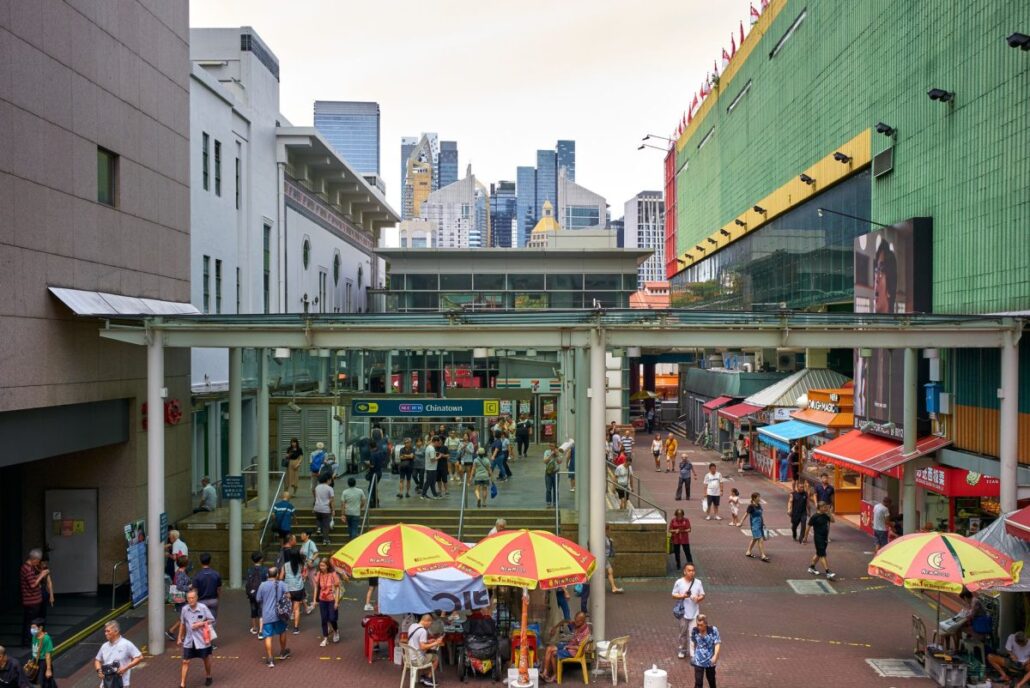
Every few years, the fare review letter arrives and commuters do the mental arithmetic on the way to work. This time, the train fare and bus fare numbers are harder to ignore. From 26 December 2026, adult card users in Singapore will pay up to 13 cents more per public transport journey, whether they’re on the MRT, LRT, or a bus. That’s the largest single-round increase in recent memory, and energy prices are squarely to blame.
- Why Are Fares Going Up This Time?
- How Much More Will You Pay? A Train Fare Comparison
- Who Does This Affect Most, and Who Gets Relief?
- Does the Date Matter? What Changes on 26 December?
- What Does This Mean for Regular Commuters Along Specific Corridors?
- Is There Any Way to Reduce the Impact?
- What Is the Bigger Picture for Singapore's Transport Finances?
- When Will the Fare Gates Actually Reflect the New Prices?
- Before You Tap In
- FAQ
Why Are Fares Going Up This Time?
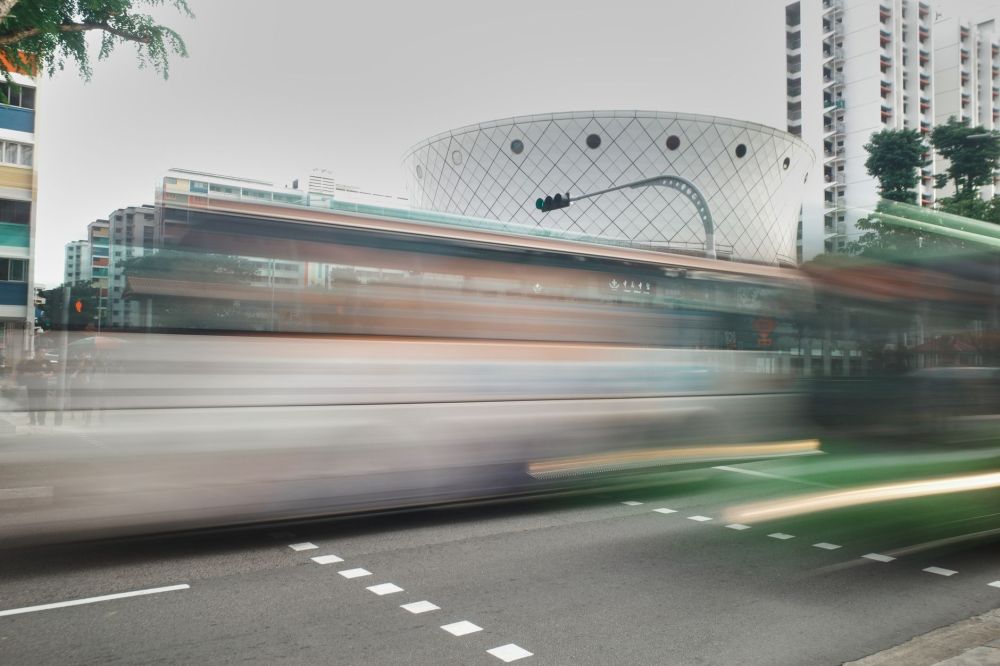
The Public Transport Council (PTC) adjusts fares periodically using a formula that factors in energy costs, the consumer price index, and wage levels in the transport sector. This round, energy costs are the dominant driver. Global electricity and diesel prices have remained stubbornly high well into 2026, and operators like SMRT and SBS Transit have been absorbing a significant chunk of those costs since the last review.
According to announcements from The Straits Times and CNA on 29 September 2026, the PTC determined that a 12 to 13-cent adjustment for adult card users was necessary to keep the system financially viable. Without that revenue, service quality and infrastructure investment both suffer. You can read the PTC’s full reasoning on the Land Transport Authority (LTA) website.
Getting around Singapore? Find any station on the interactive MRT map, or save the PDF map to use offline.
How Much More Will You Pay? A Train Fare Comparison
The 13-cent figure is the maximum increase per journey for adult card users. Your actual fare change depends on how far you travel, since Singapore uses a distance-based system. A short hop sees a smaller bump; a cross-island commute hits the full adjustment. Here’s how the new fares stack up for adult SimplyGo or EZ-Link card holders.
| Journey Type | Approx. Fare Before | Approx. Fare from Dec 26 | Increase |
|---|---|---|---|
| Short MRT trip (1-3 km) | S$1.28 | S$1.40 | +12 cents |
| Medium MRT trip (8-10 km) | S$1.82 | S$1.95 | +13 cents |
| Long MRT trip (20+ km) | S$2.30 | S$2.43 | +13 cents |
| Short feeder bus trip | S$1.28 | S$1.40 | +12 cents |
| Transfer trip (bus + MRT) | S$1.87 | S$2.00 | +13 cents |
These are indicative figures based on current LTA distance bands and the confirmed increase. Your exact fare depends on which stations you tap in and out at. Use the SimplyGo portal to check your personal trip history and estimate your new monthly spend.
Who Does This Affect Most, and Who Gets Relief?
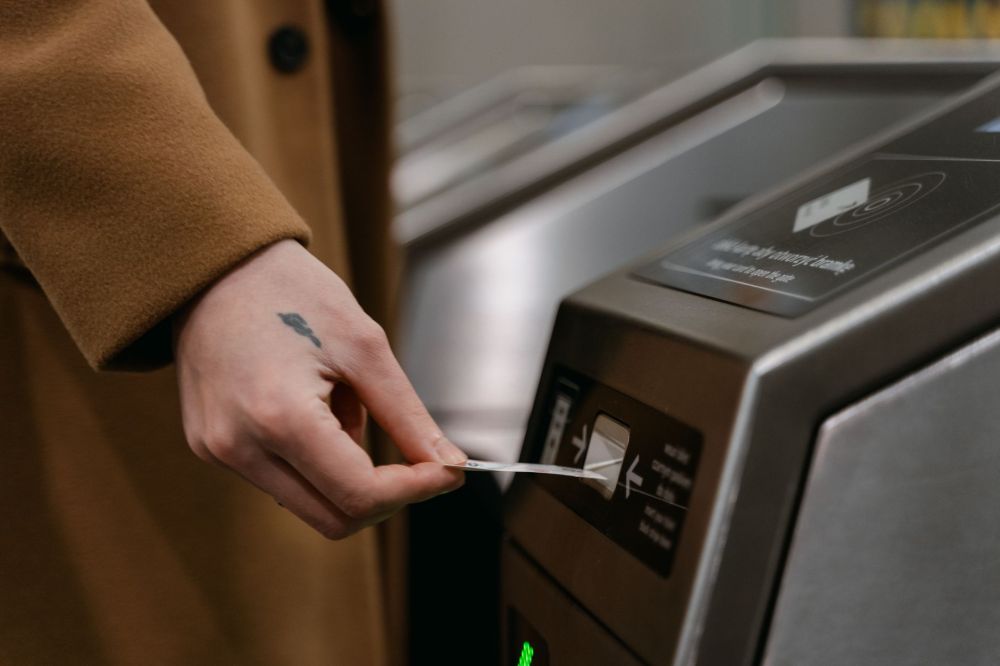
Adult card users bear the full brunt. Anyone tapping in with a standard SimplyGo account, an EZ-Link card, or a contactless bank card falls into this category. If you commute daily from a heartland neighbourhood like Hougang or Sembawang into the CBD, you’re looking at the maximum 13-cent hit each way.
Concession card holders, students, senior citizens, and persons with disabilities get a separate adjustment that historically stays lower. The PTC has protected those with less financial flexibility by keeping concession increases modest. Watch for a separate announcement closer to December if you’re on a concession card.
Tourists using the Singapore Tourist Pass are typically on a flat daily or multi-day rate, so this change hits differently. Single-trip ticket pricing at general ticket machines will reflect the new fares, though pass pricing updates at renewal.
Does the Date Matter? What Changes on 26 December?
Yes, the date is deliberate. New fares kick in on 26 December 2026, the day after Christmas. Tap in on Christmas Day and you pay the old fare. From the 26th onwards, every single tap is calculated using the new schedule.
You don’t need to do anything. Your EZ-Link card, SimplyGo account, or contactless card will update automatically. Fare gates and bus readers will be updated by SMRT and SBS Transit with no action required from you. Both operators will post notices in stations and send alerts through their apps in the weeks leading up.
One thing worth doing beforehand: top up your SimplyGo wallet so you’re not caught short during the post-Christmas travel rush. Platform crowds at interchanges like Dhoby Ghaut and City Hall can be intense during the year-end period, and the last thing you want is a beeping fare gate because your balance has dropped below the new minimum.
What Does This Mean for Regular Commuters Along Specific Corridors?
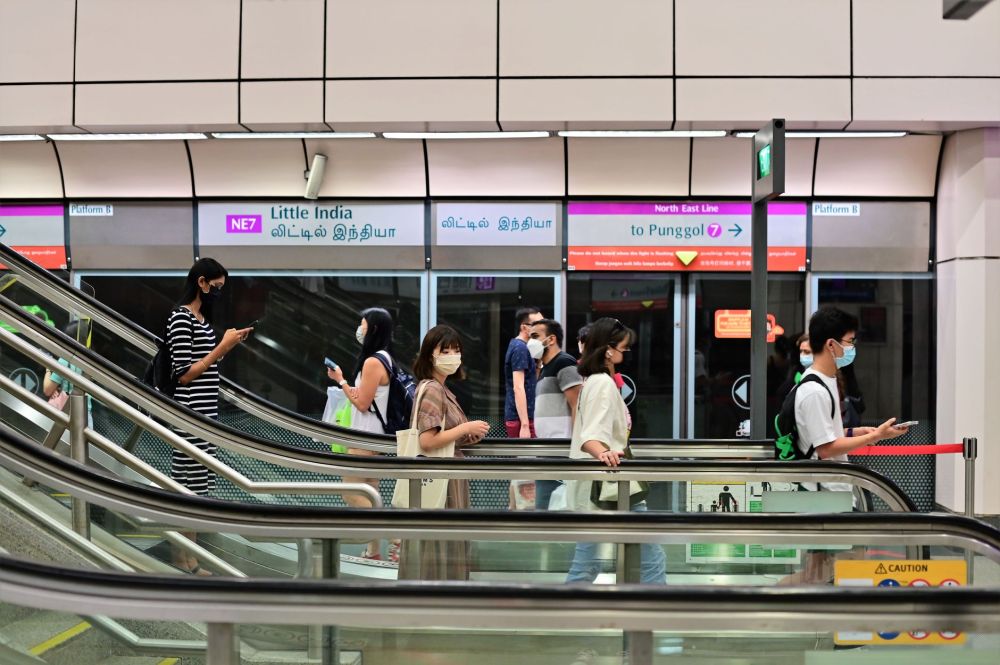
Let’s put this in practical terms for a few common routes. Commuters along the Thomson-East Coast Line who board at Upper Thomson or Lentor and travel all the way to Shenton Way or Marina Bay are covering 15 to 20 kilometres. They’ll almost certainly hit the maximum 13-cent increase, since this is one of the longest single-line commutes in the network.
On the East-West Line, commuters travelling from Pioneer or Joo Koon into town will feel the full increase as well. These are among the longest commutes in the network at over 40 kilometres end-to-end, though fares are capped regardless.
For shorter inner-city hops, the 12-cent figure applies. If you alight after just a few stops, say from Somerset to Orchard and then a connecting bus, you’re at the lower end. Still noticeable, but less severe than cross-island commuters.
Is There Any Way to Reduce the Impact?
A few strategies are genuinely worth considering. First, if you sometimes drive or take a taxi for slightly longer trips, the fare increase may actually make the MRT more compelling. At S$2.43 for a long MRT journey, it still wins convincingly against grab-sharing, but run the numbers for your specific route anyway.
Second, if your employer offers transport subsidies or flexible work arrangements, now is a good time to revisit working from home one or two days a week. Four commutes instead of five saves you roughly 20 per cent of that new cost.
Third, check whether you’re using the correct SimplyGo fare category. Some commuters who are now seniors or qualify for disability concessions haven’t updated their profile. Logging in and verifying your fare type takes two minutes and could be worth far more than 13 cents a trip if you’ve been paying adult rates unnecessarily.
It’s also worth noting that Singapore’s public transport fares remain comparatively low by global city standards. A cross-island MRT journey at S$2.43 compares favourably to equivalent trips in Hong Kong, Tokyo, or London. That context doesn’t make the increase painless, but it does explain why public transport remains the island’s most cost-efficient way to get around.
What Is the Bigger Picture for Singapore’s Transport Finances?
Singapore’s public transport system is built on a Cost Recovery Framework that balances operator sustainability with commuter affordability. The government steps in with subsidies periodically, and the Bus Connectivity Enhancement Programme ensures not every cost lands directly on passengers. But when energy prices spike and stay elevated, the formula eventually requires a fare adjustment.
As of late September 2026, MRT reliability is actually at an all-time high. The network recently recorded its best mean kilometres between failures figures. Operators have argued, with some justification, that maintaining this level of reliability requires revenue. The fare increase is partly a consequence of a system that’s performing exceptionally well and needs sustained funding to stay that way.
The LTA is also investing heavily in network expansion, with new lines and extensions adding stations across the island. Commuters living near the newer Thomson-East Coast Line or anticipating future Cross Island Line stations will eventually benefit from that investment. Stay updated on all network developments on the LTA’s official site.
When Will the Fare Gates Actually Reflect the New Prices?
The changeover happens automatically on 26 December 2026 morning. You don’t need to update any app, replace any card, or do anything at all. Tap in exactly as you normally would. SMRT and SBS Transit’s backend systems will calculate your fare using the new schedule from that date. Your trip history on the SimplyGo app will show the new amounts from your first journey that day.
If you hold stored-value in an EZ-Link or NETS FlashPay card, you’ll notice your balance depletes slightly faster from late December. If you usually top up S$10 at a time, consider bumping that to S$20 to avoid running low mid-week.
Before You Tap In
Mark 26 December in your calendar, top up your SimplyGo wallet, and double-check that your fare category is correct. If you’re planning longer journeys over the year-end period and want to understand your route options better, our station pages for key interchanges and termini are a good starting point. For North-South Line commuters passing through Admiralty or those on the North East Line alighting at Kovan, our individual station pages carry the latest exit, bus interchange, and facility details to help you plan your December commutes with the new fares in mind.