
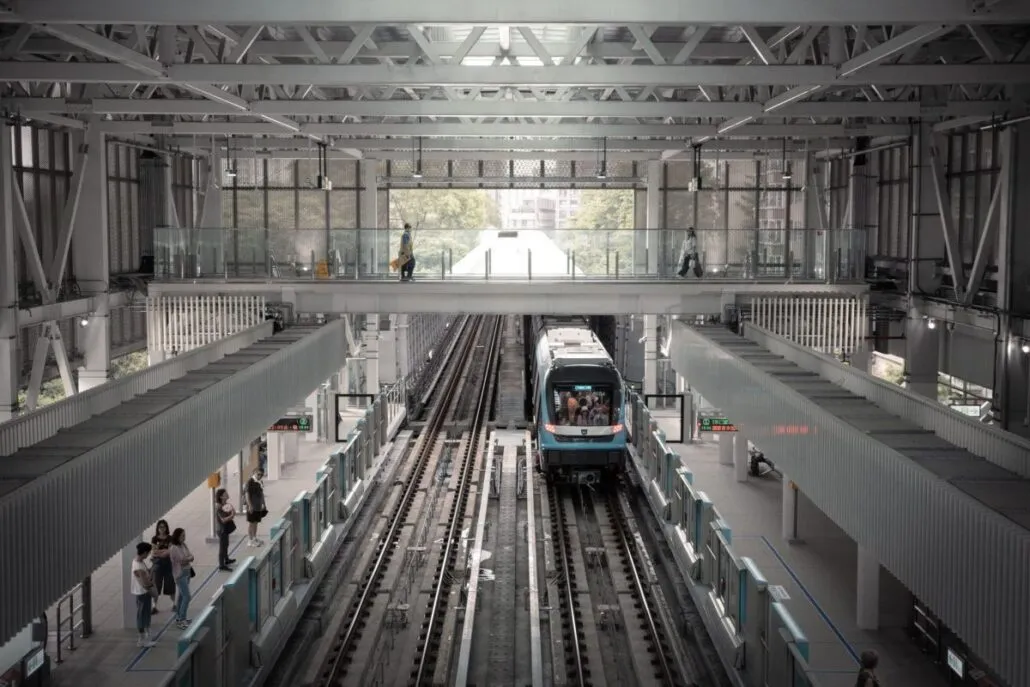
When you board an MRT train, you rarely think about what happens behind the scenes to make your journey smooth. But for commuters with disabilities, the difference between a good experience and a frustrating one often comes down to one thing: how well trained the staff are. SBS Transit, which operates the North East Line (NEL), Downtown Line (DTL), and the Sengkang LRT and Punggol LRT systems, has announced an ambitious target that could reshape how the operator supports passengers across its entire network.
- The SG Enable partnership: what changed on 29 October
- Where the training happens: centres and hands-on workshops
- Inclusive hiring: from student programmes to full-time roles
- What this means for commuters travelling daily
- The bigger picture: SBS Transit's network
- How the Queen Bee programme multiplies impact
- Frequently asked questions
- Before you tap in
- FAQ
The operator has approximately 6,500 front-line employees. Reaching the 70% target means training approximately 4,550 staff members over the next four years. Currently, approximately 20% of those workers have received formal training in how to support passengers with disabilities, including those with less visible conditions like anxiety, hearing loss or cognitive differences.
This extends beyond a numbers game. It reflects a recognition that disability support training MRT-wide needs to move beyond a handful of specialists to become standard practice across every station, every ticket counter and every platform.
The SG Enable partnership: what changed on 29 October
On 29 October 2026, SBS Transit and disability agency SG Enable formalised their collaboration at Taman Jurong Community Club, with Senior Parliamentary Secretary for Manpower Shawn Huang as witness. The memorandum of understanding commits both organisations to a shared vision of making public transport genuinely accessible.
The headline target is clear: train 70% of SBS Transit’s front-line staff by 2030. But the agreement goes deeper than that. Both parties also committed to hiring 300 people with disabilities across SBS Transit and its network of service providers by 2030, compared with approximately 50 currently. This sixfold increase signals a fundamental shift in how the operator views disability in the workplace.
Getting around Singapore? Find any station on the interactive MRT map, or save the PDF map to use offline.
Where the training happens: centres and hands-on workshops
SBS Transit opened its Public Transport Inclusivity Training Centre in April 2026 at Seletar Bus Depot. This facility delivers tailored workshops designed specifically for public transport staff, covering everything from communication strategies with deaf or hard-of-hearing passengers to mobility assistance for people using wheelchairs or walking aids.
The training varies by scenario. Modules focus on real scenarios that staff encounter daily: how to help a passenger who is blind navigate a crowded platform, how to communicate clearly with someone who has a speech impairment, or how to offer support to someone with an invisible disability who might look fine but needs assistance.
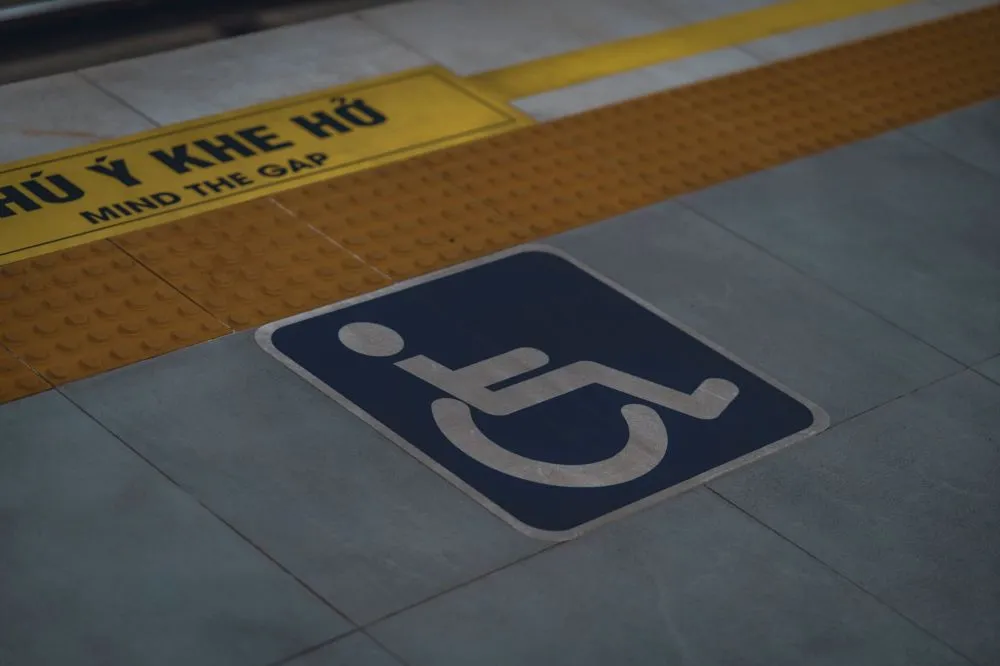
Hands-on learning sits at the heart of this approach. Staff participate in practical exercises and simulations rather than generic classroom lectures, building confidence and empathy. The goal is to equip staff with the skills to respond respectfully and effectively when asked for help.
As SBS Transit operates three separate LRT systems and two MRT lines, the training addresses the specific challenges of each network. North East Line staff, for instance, work on a driverless line, which means passenger assistance and emergency procedures operate differently than on staffed lines. Training must account for these differences.
Inclusive hiring: from student programmes to full-time roles
Bringing more people with disabilities into the workforce is as important as training existing staff. SBS Transit expanded the Enabling Pathway Programme, which was launched in September 2024 for students at the Institute of Technical Education (ITE). From 2026 onwards, the programme is being extended to polytechnic and university students as well.
Participants gain genuine work experience. Participants gain genuine work experience and transition directly into employment. One success story: Mohammad Umran Mohammad Zakirom, 20, joined SBS Transit as an intern under the programme in 2024 and is now a full-time technician at Sengkang Depot while pursuing a work-study diploma in land transport engineering (rail).
Umran works in the automatic fare collection department, handling equipment like fare gates and top-up machines at MRT stations. His team adapted his duties to match his strengths, assigning him coordination and monitoring work. “There will always be someone who wants to know what you can do and know your strengths. And they will always give you a chance,” Umran said.
SBS Transit offers roles across logistics, service control, customer service, IT, human resources and technical positions. Job redesign and workplace accommodations make these opportunities real. Job coaches provide ongoing support, removing barriers that might otherwise prevent someone with a disability from thriving.
What this means for commuters travelling daily
The real test of this initiative will be felt by passengers. If the target is met and 70% of SBS Transit’s front-line staff are trained, your experience at any station on the North East Line, Downtown Line, or LRT should improve noticeably.
Consider tapping in at Sengkang during the evening rush and noticing an announcer using slightly slower speech for passengers who may not hear clearly over platform noise. Or a ticket officer who, when you ask for help, explains options without speaking to you as though you cannot understand. Or a platform assistant who recognises when someone is struggling and offers assistance proactively but respectfully, not assuming they need it.
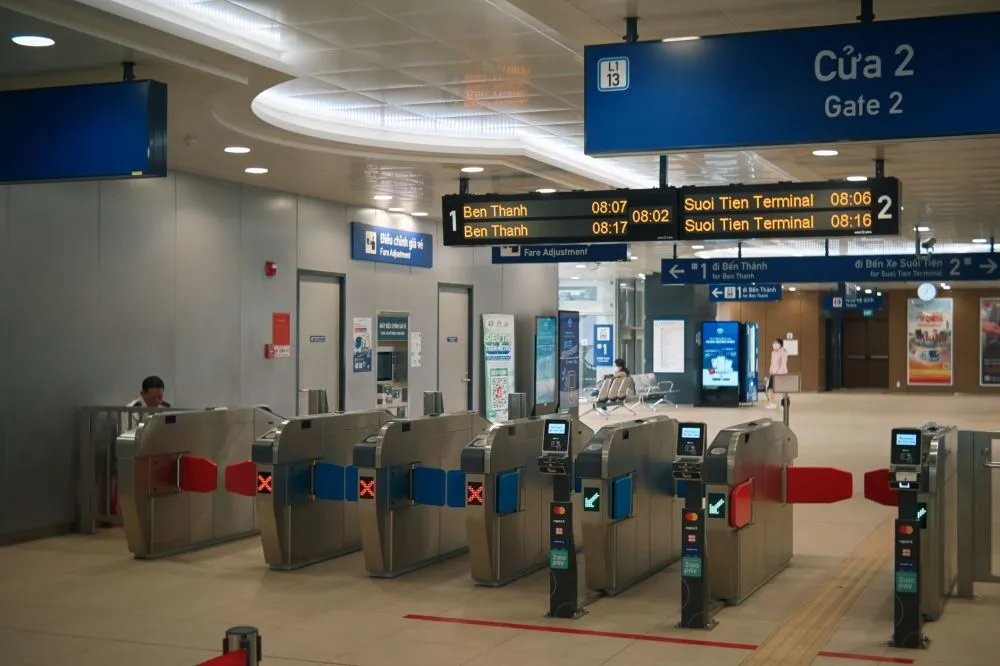
Such small interactions accumulate. For someone navigating the MRT with a disability, knowing that most staff are trained to respond appropriately reduces anxiety and makes independent travel genuinely possible.
The training also benefits staff who support elderly passengers or parents with young children. Skills learned through disability training—patience, clear communication, problem-solving on the spot—transfer across all passenger groups.
The bigger picture: SBS Transit’s network
SBS Transit operates two of Singapore’s most-travelled MRT lines. The North East Line runs from HarbourFront (NE1) to Punggol Coast (NE18), serving 17 open stations including busy interchanges at Dhoby Ghaut and Serangoon. The Downtown Line spans 35 stations from Bukit Panjang (DT1) to Expo (DT35), connecting the CBD to residential heartland and employment zones.
The operator also runs two LRT systems: Sengkang LRT and Punggol LRT. SMRT operates Bukit Panjang LRT. Each LRT network serves specific estate populations and carries tens of thousands of passengers daily.
Across all these services, the 70% training target applies uniformly. Whether you board at a busy intersection station or a quieter residential stop, the operator is committing to consistent standards of passenger support.
How the Queen Bee programme multiplies impact
SBS Transit extends its efforts beyond its own staff. The operator runs the Queen Bee programme, which encourages its network of service providers (contractors who operate shops, cafes and facilities at stations) to adopt inclusive hiring practices themselves. This multiplier effect extends accessibility thinking into the entire ecosystem surrounding commuter journeys.
A contracted cleaner, security guard or vendor who has received training becomes another knowledgeable person in the station environment. Over time, this cultural shift can make a station or platform feel more welcoming and accommodating for all passengers.
The programme recognises that accessibility requires shared responsibility. It requires buy-in from everyone working in or near the station.
Frequently asked questions
When will I see the benefits of this training?
The target is 2030, but improvements should be visible sooner. Staff completing the Public Transport Inclusivity Training Centre programmes will be deployed progressively across North East Line, Downtown Line and Sengkang and Punggol LRT stations throughout 2027 and 2028. Early adopter stations may see noticeably improved service within 12 months.
Does the training apply to bus staff as well?
The 70% target applies to SBS Transit’s front-line staff across its MRT and LRT networks. SBS Transit also operates bus services, but the initial emphasis is on fixed-route rapid transit where accessibility challenges differ from buses.
How can I request assistance at an MRT station if I have a disability?
Request assistance directly from uniformed staff. Stations have help points and intercom systems at ticket gates. You can also contact SBS Transit’s customer service in advance if you need specific assistance at a particular station. Many trained staff will offer help proactively if they notice someone struggling.
Are people with disabilities given hiring priority at SBS Transit?
SBS Transit is targeting 300 employees with disabilities by 2030, but this is not a quota that excludes other applicants. The Enabling Pathway Programme actively recruits students with disabilities and supports their transition into permanent roles through job coaching and workplace adjustments. Candidates are hired on merit; support systems simply remove barriers that might otherwise prevent someone from succeeding.
Before you tap in
The partnership SBS Transit and SG Enable announced on 29 October 2026 represents a fundamental commitment to inclusive transport. Training 70% of staff is ambitious, but it reflects a growing recognition that accessibility benefits everyone—not just passengers with disabilities, but families with prams, elderly travellers, and anyone facing a temporary challenge on any given day. If you use SBS Transit’s North East Line or Downtown Line regularly, observe the rollout of trained staff and share your experience. Genuine change happens when passengers and operators hold each other accountable.