
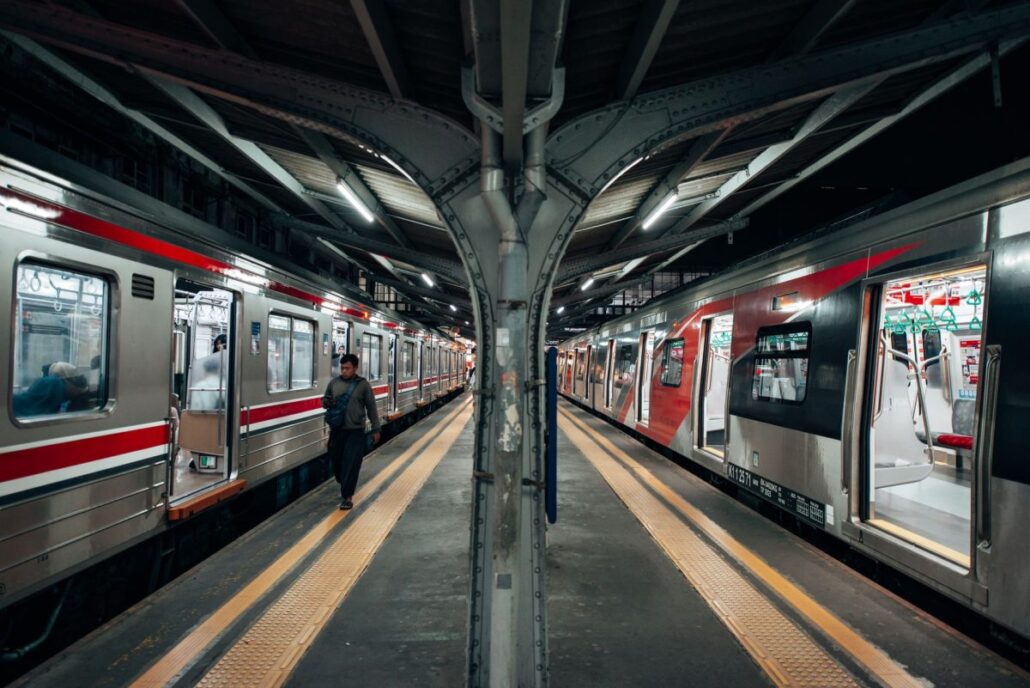
A Lakeside MRT delay of only a few minutes can fill a platform to the stairs with people. That is what happened during the morning rush on 21 October 2026, when AsiaOne reported long queues at Lakeside after a brief MRT delay.
- What happened in the Lakeside MRT delay?
- Why does a short delay cause such long queues at Lakeside?
- What should you do during a Lakeside MRT delay?
- Does leaving earlier really help in the morning rush?
- How can you check for delays before you leave home?
- Will new lines ease crowding in the west?
- Before you tap in
- FAQ
What happened in the Lakeside MRT delay?
AsiaOne reported that a brief delay during the morning rush on 21 October 2026 triggered long queues at Lakeside station. The word “brief” matters here. The delay did not need to be long to cause the crowding.
Lakeside MRT station is EW26 on the East West Line. The line runs about 57 km from Pasir Ris (EW1) to Tuas Link (EW33), making it the longest on the network. SMRT operates it, and you can read the operator’s service notices on the SMRT website.
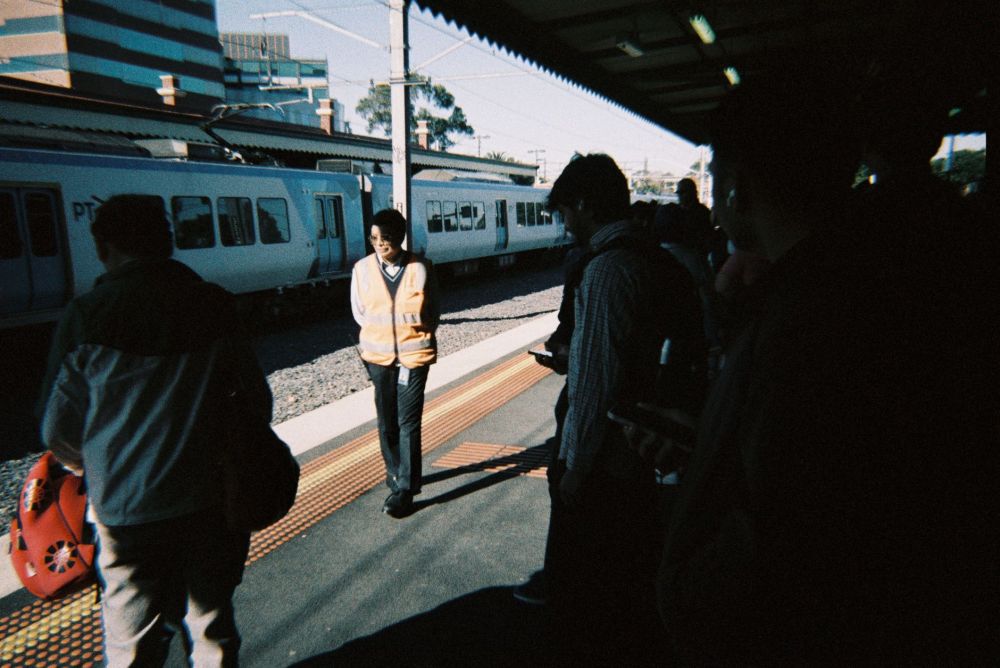
If you commute from the west on weekdays, you know the pattern. A small hiccup at 8am becomes noticeable by 8.15am.
Getting around Singapore? Find any station on the interactive MRT map, or save the PDF map to use offline.
Why does a short delay cause such long queues at Lakeside?
A short delay creates long queues because passengers arrive at the station at a constant rate while trains stop arriving on schedule. The crowd on the platform grows with every minute of waiting, and it then takes several trains to clear.
Lakeside sits in the western stretch of the line, between Chinese Garden (EW25) and Boon Lay (EW27). Beyond Boon Lay, the line continues to Pioneer (EW28), Joo Koon (EW29) and on to Tuas Link. Eastbound trains therefore reach Lakeside with riders already on board, leaving less space for people waiting.
Three things make Lakeside station queues build quickly:
- Fixed demand: Most riders are heading to work or school at the same hour, so they cannot simply wait it out.
- Loaded trains: The first train after a delay arrives crowded, so fewer people board, and the platform stays full.
- Platform crowding: Once the platform fills, queues spill back towards the fare gates and the concourse.
This effect is not unique to Lakeside. Any heartland station on a long line behaves the same way when the gap between trains widens, even briefly.

What should you do during a Lakeside MRT delay?
During a Lakeside MRT delay, check live service updates first, then pick between waiting, boarding at a neighbouring station or changing route. The right choice depends on how much time you have and how full the platform looks.
Here is how the main options compare for a rider heading east on the East West Line:
No option is free of trade-offs. Boarding at Boon Lay, one stop west, helps because trains there have not yet taken on the crowd from Lakeside. Boarding further east does not solve the problem, as the crowd follows the trains.
Your usual route may not be the only option. The interactive MRT map shows every interchange, which helps when you are working out a detour on the spot.
Does leaving earlier really help in the morning rush?
Leaving earlier helps because the crowd thins out before the busiest stretch of the morning rush and costs less. Adult card fares drop by 50 cents when you tap in before 7.45am on weekdays, although public holidays are excluded.
First trains depart from terminals around 5.15am to 5.40am on Mondays to Saturdays. The East West Line’s first train leaves at about 5.19am, as listed on our MRT operating hours page. You need not travel that early; a 20-minute head start puts you ahead of the queue.
Fares are distance-based. If you want to see what your journey costs before and after the 26 December 2026 increase, use the MRT fares table. The Public Transport Council (PTC) announced on 29 September 2026 that from 26 December 2026 adult card fares will rise 12 cents for trips up to 3.2 km and 13 cents for longer trips.

How can you check for delays before you leave home?
You can check for delays before leaving home by looking at the operator’s channels, the Land Transport Authority (LTA) website and your journey planner app. A two-minute check saves you a long wait on a crowded platform.
Here is a simple routine for western commuters:
- Check the LTA website or SMRT’s channels for East West Line service notices.
- Check the station and the next stops on your route, not just where you board.
- Decide on a fallback, such as Boon Lay or Jurong East, before you leave home.
- Verify your payment method works. If unsure, see how to pay for the MRT, which covers SimplyGo, contactless bank cards and mobile wallets.
If you are new to the vocabulary used in service notices, the MRT glossary explains terms like headway and bridging service.
Will new lines ease crowding in the west?
New lines will not ease western crowding soon; Jurong Region Line Stage 1 is due around mid 2028. As of 22 October 2026 you still rely on the East West Line and North South Line for most train journeys from this part of Singapore.
The Jurong Region Line adds capacity in the west in time, and you can read how its terrain shaped the build in our Jurong Region Line construction article. Our future MRT map shows every other planned line and extension. Until then, flexibility offers the best protection against sudden delays.
Before you tap in
Plan one fallback for your morning commute, whether a neighbouring station or a change at Jurong East. Leaving before 7.45am saves you 50 cents and reduces crowding. When you want to compare routes, open the list of all MRT and LRT lines and pick your backup in advance.