
A photograph shared on Stomp on 19 October 2026 captured an unusual sight: a man sleeping soundly on the floor of an MRT carriage while empty seats sat nearby. The incident sparked online debate about why anyone would choose the floor over a seat, and the conversation reveals something uncomfortable about how exhausted Singapore’s commuters have become.
- What causes MRT floor sleeping and extreme commuter fatigue?
- Why do not they sit, and what does MRT seat etiquette require?
- Is MRT floor sleeping a safety issue for the rider?
- How MRT network structure worsens fatigue
- What this incident tells us about commuter stress levels
- Comparing commute stress across MRT lines
- What commuters can actually do about MRT fatigue
- The broader implications for Singapore's transport future
- FAQ
MRT floor sleeping doesn’t happen in isolation. It’s a symptom of something larger: the cumulative exhaustion that builds when you’re managing a demanding commute on top of a full working day. Although the photograph may seem lighthearted, it highlights a real issue that riders across all lines experience.
What causes MRT floor sleeping and extreme commuter fatigue?
Commuters choose to sleep on floors instead of seats for several reasons, and none of them suggest the person is simply lazy or rude. Extreme exhaustion can override normal social behaviour. A rider who has been awake since 5.30am to catch a first train, worked nine hours, and is facing a transfer from the North South Line to the Circle Line may reach a point where staying upright feels impossible. The body shuts down, and the person sleeps wherever they collapse.
Journey time matters significantly. Riders commuting from the outer reaches of the East West Line to Raffles Place (EW14) or from Punggol Coast (NE18) on the North East Line can spend 45 minutes to an hour on trains each way. For someone working a 10-hour day that includes a midday rush back for errands, the return journey happens when alertness is at its lowest.
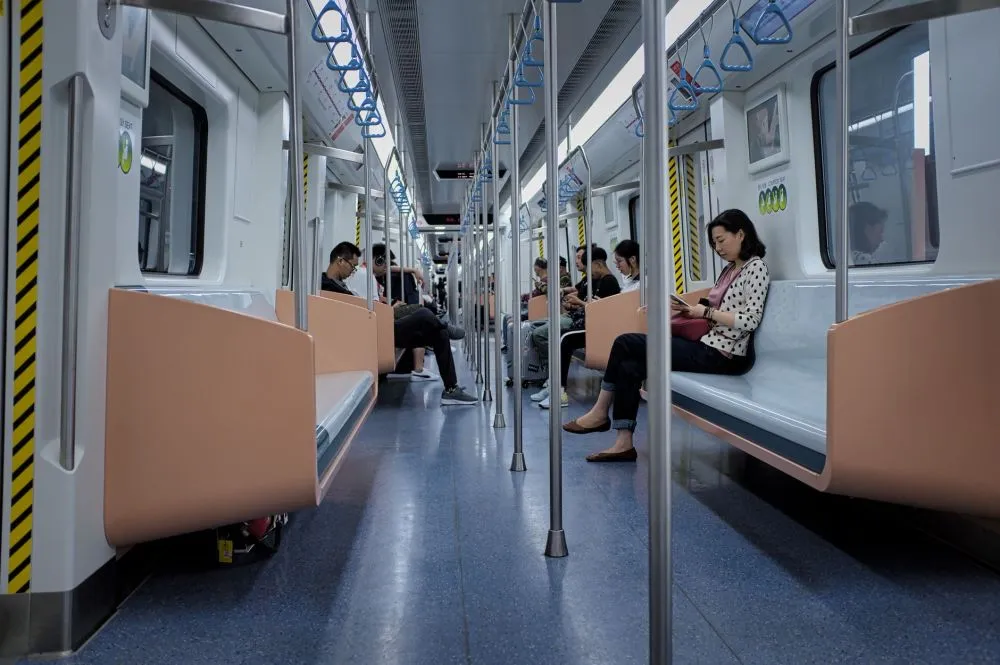
Peak-hour crowding on the network compounds the problem. Between 7.30am and 9am on weekday mornings and from 5pm to 8pm in the evenings, many MRT lines operate at standing-room-only capacity. A rider crushed against other passengers for 20 minutes may feel that lying on a less-crowded spot on the floor is a more comfortable and safer option than remaining upright in a packed carriage.
Work stress and shift patterns add another layer. Healthcare workers, retail staff, and hospitality workers often work split shifts or early starts that leave little time for proper sleep. A security guard working a night shift trying to grab rest on the way home in the early morning, or a night-market trader heading home at 1am after the last trains depart, may genuinely not have slept in over 24 hours by the time they board an MRT carriage.
Getting around Singapore? Find any station on the interactive MRT map, or save the PDF map to use offline.
Why do not they sit, and what does MRT seat etiquette require?
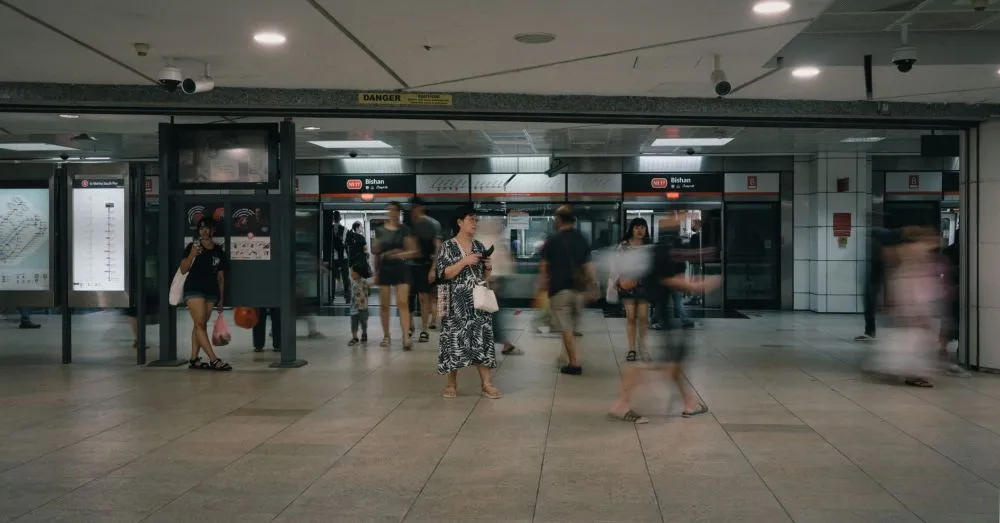
The photograph assumes empty seats were available. Priority seats near the doors remain empty because commuters respect the rule reserving them for elderly passengers, persons with disabilities, and pregnant women. A tired commuter might deliberately avoid an empty priority seat out of courtesy, choosing to stand or sit on the floor instead.
Some riders avoid seats because they feel anxious about sitting next to someone they know or self-conscious about occupying space during crowded periods. MRT seat-use psychology is more complex than it appears. Standing in an MRT carriage keeps you part of the crowd; sitting down, even in an empty seat, can feel like claiming an unearned privilege.
Proper MRT seat etiquette requires using seats when available and offering priority seats to those who need them. However, the incident shows that commuters who are nearly asleep may lack the mental capacity to make these judgements. They’re responding to immediate physical need, not social rules.
Is MRT floor sleeping a safety issue for the rider?
Sleeping on an MRT floor poses real risks. Commuters face exposure to dirt, bacteria and potential infections from footwear and spilled liquids. Lying down also removes your ability to react quickly if the train brakes suddenly, potentially causing injury. A person sleeping on the floor might miss their stop entirely, leading to unplanned journey extensions.
There is also a social risk: photographs of sleeping commuters circulate online, sometimes without context or empathy. The Stomp image sparked commentary about inconsiderate behaviour, even though the rider may have been in genuine medical distress from fatigue.
For LRT riders on the Sengkang LRT, Punggol LRT, or Bukit Panjang LRT, smaller platforms mean fewer spaces to lie down safely, and the physical risk is greater.
How MRT network structure worsens fatigue
The way Singapore’s rail network is designed, long commutes are unavoidable for many riders. Someone living in Bukit Panjang and working in the CBD must travel the full length of the Downtown Line or transfer across multiple lines. A worker at Changi Airport (CG2) living in Jurong East (NS1) faces a journey requiring a connection.
The newer Thomson-East Coast Line has begun to shorten some of these journeys with direct connections, and future lines like the Cross Island Line will help. But for now, many commuters have no choice except long, tiring journeys as part of their daily routine.
What this incident tells us about commuter stress levels
MRT floor sleeping is rare enough to be photographed and shared, but the fact that it happens at all suggests that some commuters have reached the limit of what their bodies can manage. In societies with healthier work-life balance, this would be a red flag. When one person sleeps on a train floor, it is an isolated incident. When it becomes frequent enough to notice, it indicates systemic exhaustion across the commuting population.
The broader pattern matters more than the single photograph. Rising incidents of commuters sleeping in unusual positions, missing stops, or showing signs of extreme fatigue point to pressure building across the network. This isn’t a criticism of MRT infrastructure; it’s a reflection of how much Singaporeans are working and how limited rest time has become.
Commuters aged 25 to 45 report the highest fatigue levels, often managing dual roles as workers and caregivers. A parent leaving work at 6pm to collect a child from childcare, then handling domestic tasks, may not sit down to rest until 10pm or later. The MRT journey home is the only extended period they’re off their feet, and sometimes the body simply takes over.
Comparing commute stress across MRT lines
Riders on the longer lines naturally experience more fatigue simply from time spent travelling. A 60-minute journey on the East West Line from Tuas Link (EW33) to City Hall (EW13) leaves riders already tired before they’ve started work. The return journey, when afternoon exhaustion kicks in, becomes a battle to stay conscious.
What commuters can actually do about MRT fatigue
The immediate solution is rest, but that’s not always within a commuter’s control. What you can control is making your MRT journey less physically demanding. Standing for hours is exhausting; securing a seat reduces that strain. Younger, able-bodied commuters can help by prioritising seats only when necessary, leaving them available for those most at risk of fatigue-related falls.
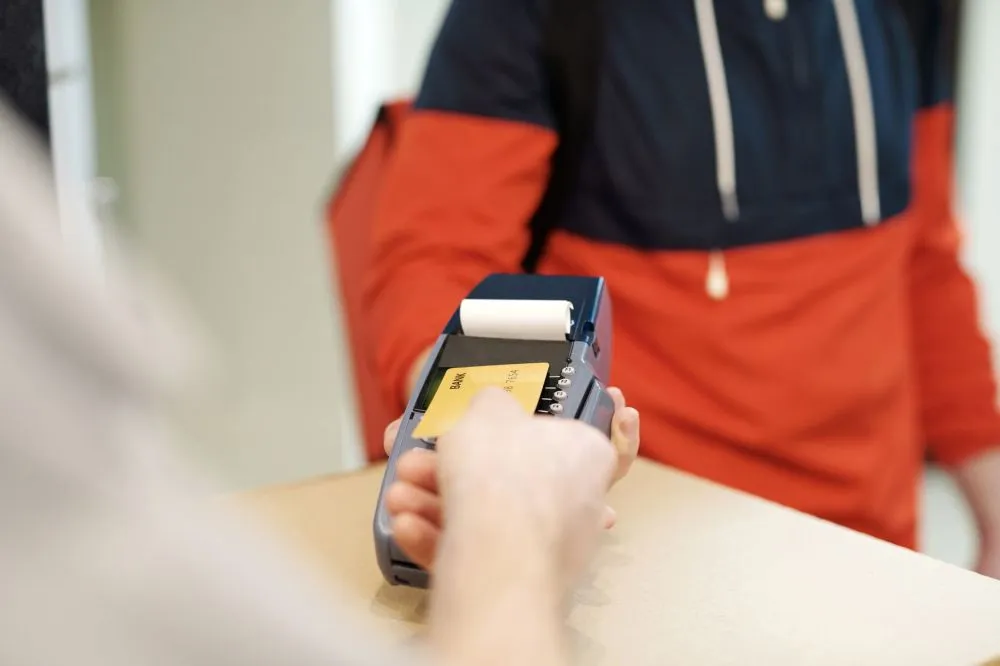
Payment method sounds unrelated, but paying for your fare with a contactless card, mobile wallet, or SimplyGo EZ-Link card rather than queuing for a ticket removes one small stressor. Every small reduction in friction during your journey matters when you’re already exhausted.
If your commute regularly exceeds 45 minutes, explore whether working from home on certain days, adjusting your start time, or changing roles might be possible. Employers increasingly recognise that extreme commute times damage productivity and health. Raising this with your manager is reasonable.
The broader implications for Singapore’s transport future
Singapore’s population is growing, and the MRT network continues to expand. By the time the Cross Island Line, the Downtown Line extension to Sungei Kadut, and other future lines open in the 2030s, journey times may shorten for some commuters. But in the meantime, the people sleeping on MRT floors are telling us something about the limits of what a commuting population can sustain.
One photograph doesn’t change policy, but patterns do. If MRT operators and the Land Transport Authority notice rising incidents of extreme fatigue, that becomes data worth acting on. Better frequency during peak hours, more reliable air-conditioning during heatwave periods, and clearer communication about journey times all help.
Before you tap in for your next journey, remember that the tired person beside you isn’t being disrespectful. They’re likely at the end of their physical rope. Small acts of courtesy, like offering a seat or creating quiet space, cost nothing but can make someone’s exhausting day slightly more bearable.