
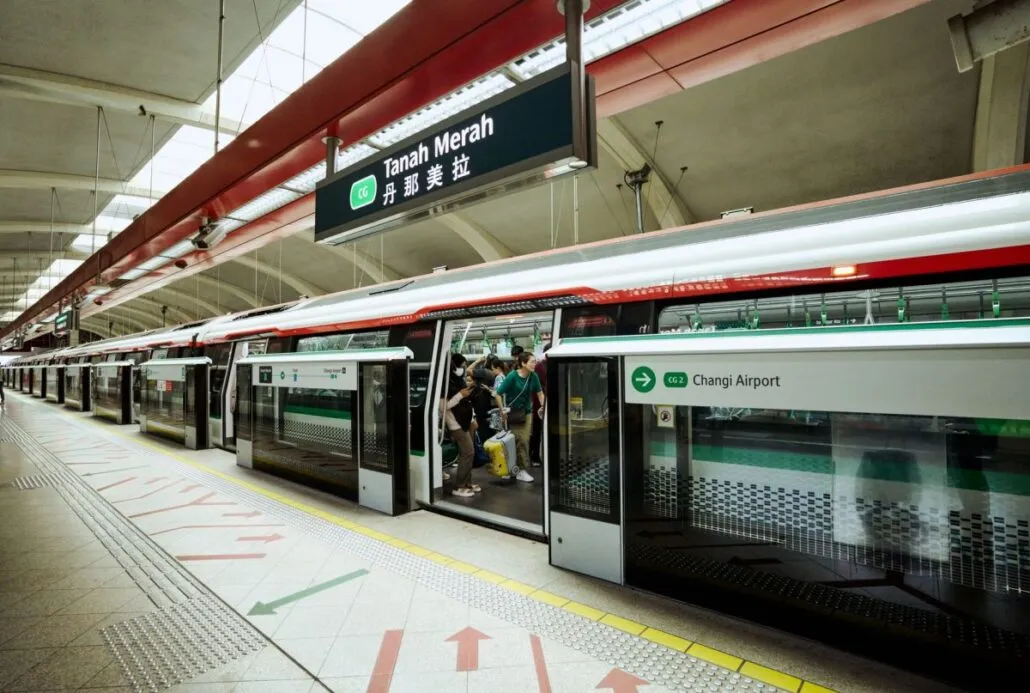
The Jurong Region Line Stage 1 is scheduled to open around mid-2028, adding a new orbital route to Singapore’s rail network. When it arrives, the line will serve the western heartlands and reshape how commuters in Jurong, Boon Lay and beyond connect to the rest of the island. Here’s what you need to know before the opening.
- When is Jurong Region Line Stage 1 opening?
- Which stations will Jurong Region Line Stage 1 serve?
- What does Jurong Region Line Stage 1 mean for your commute?
- How will Stage 1 fit into the full Jurong Region Line?
- What will fares cost on the Jurong Region Line?
- Which operator will run the Jurong Region Line?
- How will Jurong Region Line Stage 1 connect to other lines?
- Will Jurong Region Line be driverless like the Circle Line?
- When can I use the Jurong Region Line to travel?
- What about Jurong Region Line Stage 2 and beyond?
- How do I prepare for the Jurong Region Line opening?
- FAQ
When is Jurong Region Line Stage 1 opening?
The Jurong Region Line Stage 1 is targeted for opening around mid-2028. This is the first phase of a larger orbital network that the Land Transport Authority (LTA) is developing to serve the west and south-west of Singapore. Unlike earlier announcements for other lines, no exact date has been confirmed yet, so check the LTA website closer to 2028 for a precise launch date.
The project has faced construction challenges related to Jurong’s difficult terrain and geological conditions, which shaped the line’s design and build timeline significantly.
Getting around Singapore? Find any station on the interactive MRT map, or save the PDF map to use offline.
Which stations will Jurong Region Line Stage 1 serve?
The Land Transport Authority has not yet publicly released the full list of station names and codes for Stage 1. However, the line serves the Jurong region and will eventually connect to Boon Lay, forming part of a larger orbital route. When the official station list is confirmed, it will be added to the MRT stations page here and our interactive map.
Unlike the North South Line (which serves Jurong East, NS1) or the East West Line (which passes through Jurong via Jurong East, EW24), the Jurong Region Line will offer a new orbital alternative that reduces pressure on existing radial lines during peak hours.
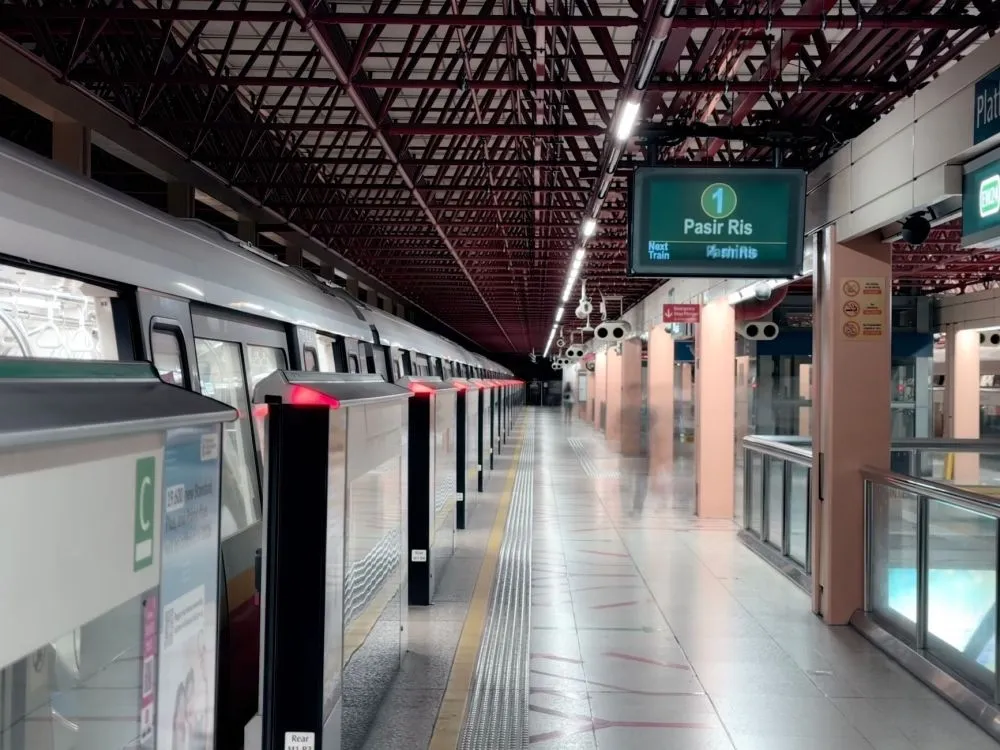
The line will be driverless, like the North East Line (NEL), Circle Line (CCL) and Downtown Line (DTL), allowing SMRT Trains to optimise train frequency and spacing throughout the day.
What does Jurong Region Line Stage 1 mean for your commute?
If you live or work in Jurong or Boon Lay, Stage 1 will offer a new orbital route that you can use instead of changing at Jurong East. Currently, commuters heading east from Jurong often change from the North South Line to another line, or take a long journey on the East West Line. The new line will shorten many trips and reduce crowding on existing lines during rush hour.
Commuters from Jurong heading to the city centre or east coast will still be able to interchange with the North South Line and East West Line at Jurong East, but the Jurong Region Line offers a bypass option for northbound or other directional trips.
How will Stage 1 fit into the full Jurong Region Line?
Stage 1 is the first phase. The full Jurong Region Line will eventually extend beyond Stage 1 to complete an orbital route serving the south-west. Later stages (targeted for the 2030s) will add more stations and extend the network further. The complete line will distribute traffic from the congested North South Line and East West Line, particularly during peak hours.
When all stages open, the Jurong Region Line will be a significant addition to Singapore’s rail network, comparable in role to the Thomson-East Coast Line (TEL), which also relieves pressure on radial lines.
What will fares cost on the Jurong Region Line?
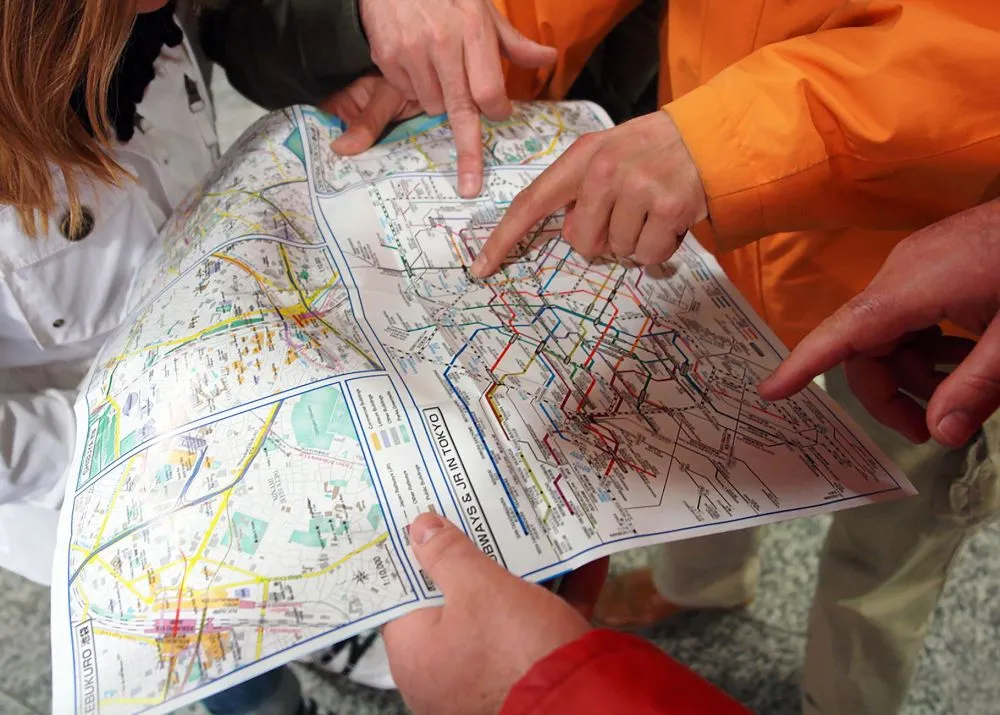
Fares for the Jurong Region Line have not yet been announced. When the line opens in mid-2028, fares will be set by the Public Transport Council (PTC) and will be distance-based, like all other MRT lines. The full fare table for all MRT lines is available here and will be updated when Jurong Region Line fares are confirmed.
You’ll pay using SimplyGo (contactless bank card or mobile wallet) or a SimplyGo EZ-Link card when you tap in at any fare gate. No cash tickets are available; paper tickets were phased out in 2022.
Which operator will run the Jurong Region Line?
SMRT Trains will operate the Jurong Region Line, just as SMRT operates the North South Line, East West Line, Circle Line and Thomson-East Coast Line. SBS Transit operates the North East Line, Downtown Line and the three LRT systems (Bukit Panjang, Sengkang and Punggol). On a driverless line, SMRT will monitor trains from a central control centre and ensure all safety systems work correctly.
How will Jurong Region Line Stage 1 connect to other lines?
While official interchange stations have not been announced, the Jurong Region Line is designed to connect with existing lines. You can expect interchanges that make sense geographically, such as connections to the North South Line and East West Line in the western zone. When the station list is released in 2027, interchange points will become clear.
Once you can tap in on the Jurong Region Line, use our complete line guide to identify the best route to your destination.
Will Jurong Region Line be driverless like the Circle Line?
Yes. The Jurong Region Line will be fully driverless, operated by SMRT’s control centre. This is the standard for all new MRT lines in Singapore since the Circle Line opened. Driverless technology allows trains to run closer together and arrive more frequently, which means shorter waits and more seats across the day.
Passengers will notice no difference in the riding experience, but you benefit from the higher capacity and reliability that driverless systems deliver.

When can I use the Jurong Region Line to travel?
First trains on the Jurong Region Line will depart the terminal stations in the early morning, likely between 5.15am and 5.40am, similar to other MRT lines. Last trains will depart around 11.45pm or later. The exact operating hours will be confirmed after the opening date is set. Check the MRT operating hours page nearer to mid-2028 for precise first and last train times.
What about Jurong Region Line Stage 2 and beyond?
Stages beyond Stage 1 are targeted for the 2030s. The full scope of the Jurong Region Line was designed to eventually form an orbital loop that serves the western and south-western regions of Singapore. Future stages will extend the network and add more stations, but no exact dates or station details have been announced yet. Follow LTA news for updates on later stages.
How do I prepare for the Jurong Region Line opening?
Ensure you have a SimplyGo-compatible payment method: a contactless bank card, mobile wallet (Apple Pay, Google Pay, Samsung Pay) or a SimplyGo EZ-Link card. These are the only ways to pay for MRT travel as of now. If you don’t have one, obtain a card before Stage 1 opens. Learn more on the how to pay for MRT guide.
In late 2027, monitor LTA’s official announcements for the exact opening date, station names, interchange details and timetables. Update your journey planner app, download the latest MRT map, and plan a test trip on opening day if you’re curious about the new stations and how they fit into your usual commute.
Before you tap in on the new line, bookmark our interactive MRT map to instantly see how the Jurong Region Line connects to where you’re going. Once Stage 1 opens mid-2028, the new orbital route will become part of your everyday commute options, cutting travel time for thousands of riders heading to, from or through Jurong.