
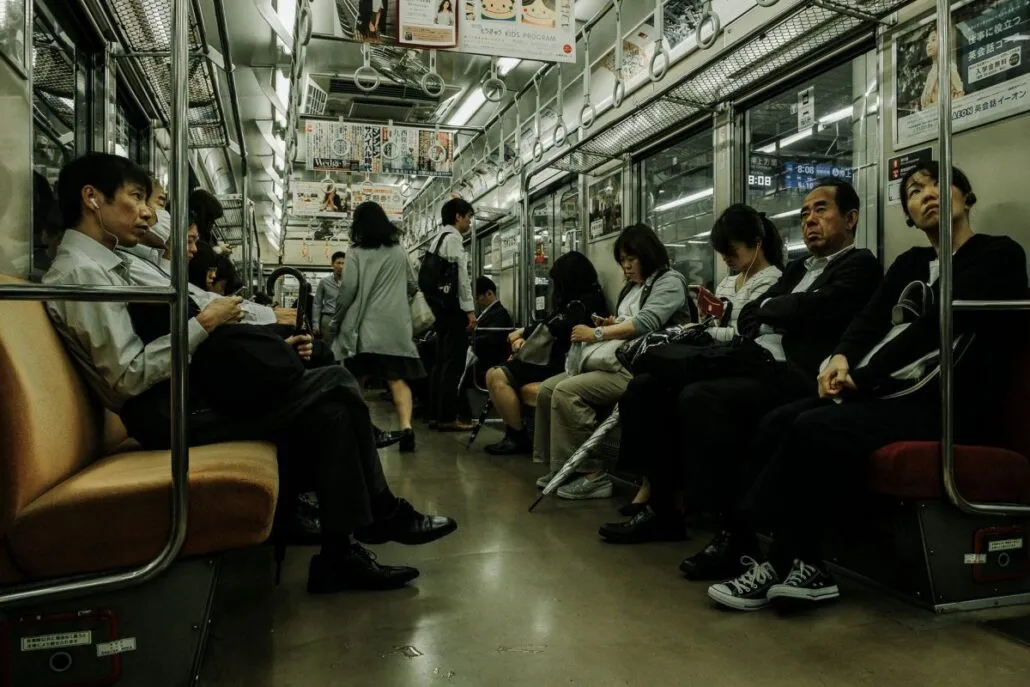
Vomit on MRT floors turned one peak-hour cabin into a no-go zone, according to a Stomp report published on 8 October 2026. Passengers who saw the splatters kept their distance, and the headline carries a line that says it all: ‘I heard some gagging’.
- What happened with the vomit on MRT floors?
- Why does one soiled cabin affect the whole train?
- What should you do if you see vomit on MRT trains?
- Who do you report a soiled cabin to: SMRT or SBS Transit?
- Where can you reposition at peak hour without losing time?
- What if you are the one feeling sick on the MRT?
- Does a soiled cabin affect your commute plans?
- Before you tap in
- FAQ
What happened with the vomit on MRT floors?
Stomp reported on 8 October 2026 that passengers on a peak-hour train avoided one cabin after seeing vomit splatters on the floor. The headline also quotes a commuter who heard gagging before anything was visible.
That sequence is familiar to anyone who rides daily. You hear something wrong, you look down, and within seconds the people around you are doing the same sums you are. Do I stay, or do I squeeze into the next cabin?
Passengers need no announcement to make that decision. A soiled floor in a packed car is a clear signal, and passengers act on it faster than any notice board could.
Getting around Singapore? Find any station on the interactive MRT map, or save the PDF map to use offline.
Why does one soiled cabin affect the whole train?
A soiled cabin forces passengers into neighbouring cabins, which worsens peak-hour crowding for everyone else on the train. Those who stay behind also risk slipping or stepping in the mess.
The squeeze matters most on busy corridors. If you ride the North South Line (NSL) through Bishan (NS17) or Newton (NS21) at 6pm, spare standing room rarely exists to accommodate a whole cabin of displaced riders.
There is also a hygiene reason to keep away. Vomit can spread to shoes, bag bottoms and handbags, and then be carried home. Many place bags on the floor by habit, and a splattered cabin is the one place where that habit proves costly.
What should you do if you see vomit on MRT trains?
Step away from the splatters, protect your shoes and bags, and move to another cabin at the next stop. Then tell station staff so they can attend to the cabin before more passengers board it.
- Step back immediately and lift your bag off the floor or hold it close.
- Avoid walking through the area, and do not touch the poles or seats nearby if they appear affected.
- Alight at the next station if the doors are about to close, or stay in a clean spot until then.
- Go to the station control room or approach the nearest staff member and describe where you boarded and the direction the train was heading.
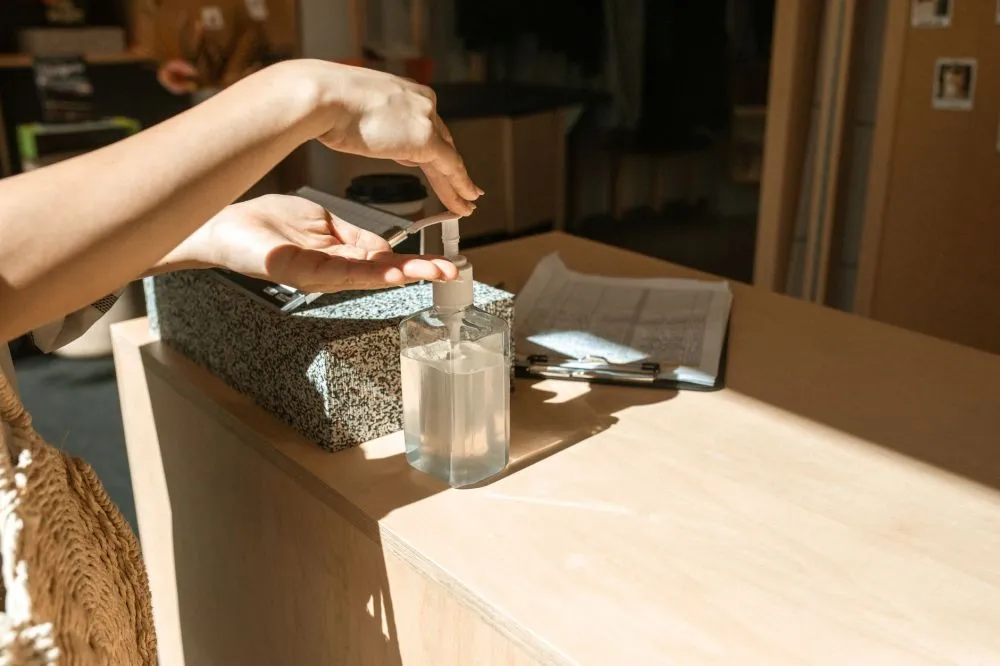
- Clean your hands with sanitiser or wash them at your destination.
Provide specific details when you report. Staff can act faster when they know the line, the direction, the cabin position and roughly when you saw it.
Who do you report a soiled cabin to: SMRT or SBS Transit?
Report to the operator that runs the line you are on. SMRT operates the North South Line, East West Line, Circle Line, Thomson-East Coast Line and Bukit Panjang LRT, while SBS Transit operates the North East Line, Downtown Line, Sengkang LRT and Punggol LRT.
The driverless aspect is significant. On the yellow line (Circle Line), the purple line (North East Line) and the blue line (Downtown Line), no driver is walking through the train, so a rider’s report at the station carries more weight.
If unsure which operator applies, check the colour and code on the platform signs. The all-lines page lists every MRT and LRT line with its operator. The Land Transport Authority (LTA) regulates the network, but the operator handles cleaning on the ground.
Where can you reposition at peak hour without losing time?
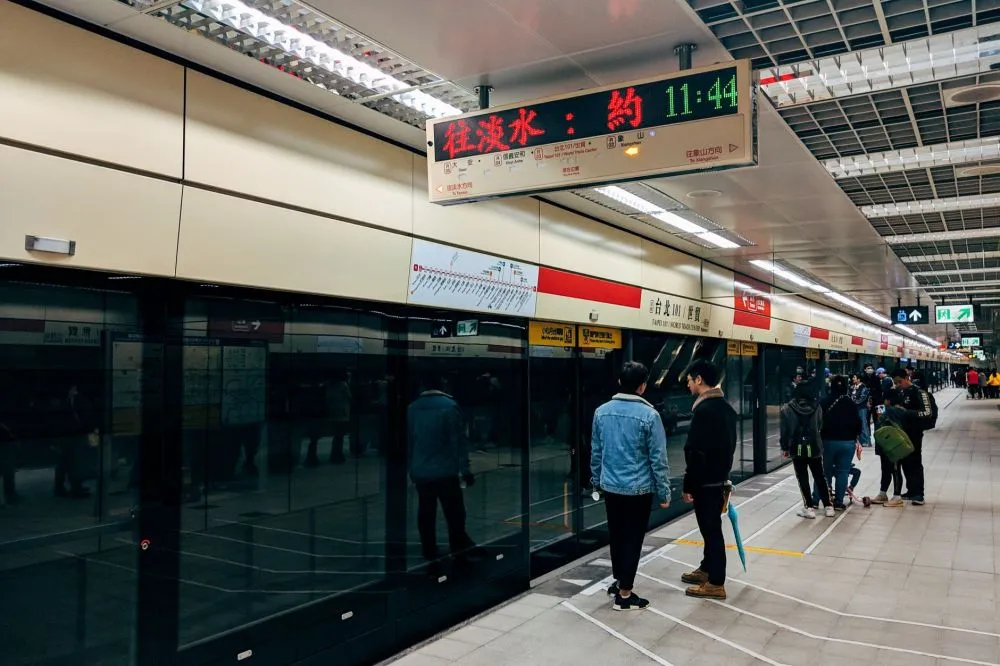
The simplest solution is to alight at the next interchange and board a different cabin, or the next train, within the paid area. Interchanges have wider platforms, more staff and more choice of cabin.
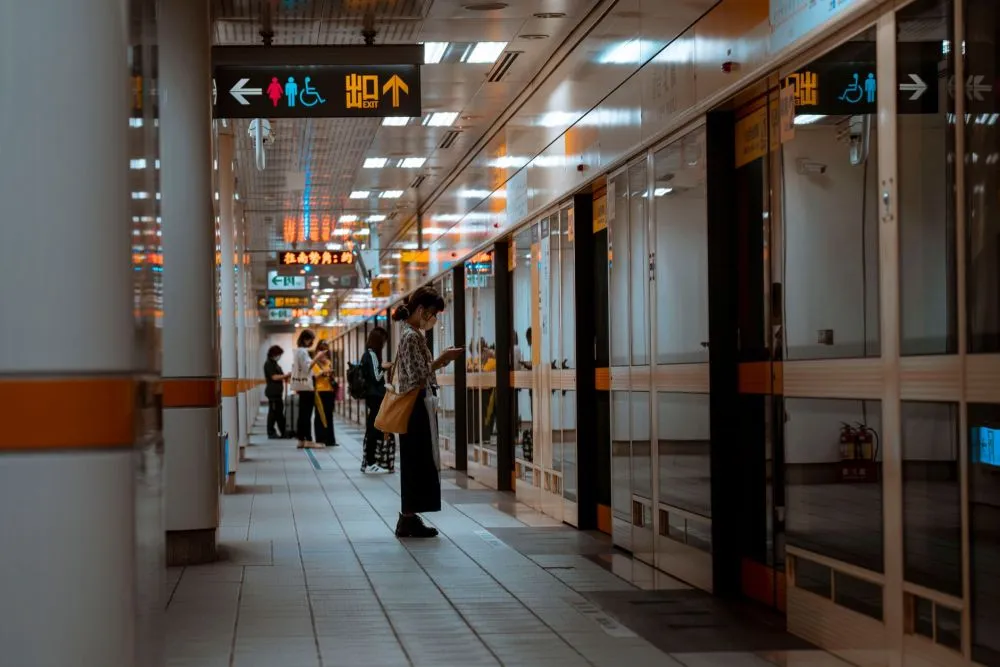
These interchanges work well because you can step out, report and reboard without leaving the system:
- Dhoby Ghaut (NS24/NE6/CC1) links the NSL, NEL and Circle Line.
- Buona Vista (EW21/CC22) links the East West Line (EWL) and the Circle Line.
- Bishan (NS17/CC15) links the NSL and the Circle Line.
- Paya Lebar (EW8/CC9) links the EWL and the Circle Line.
- Outram Park (EW16/NE3/TE17) links the EWL, NEL and the brown line (Thomson-East Coast Line).
Find every interchange on the MRT station list. Stay inside the fare gates while you reposition, so your journey remains one trip.
What if you are the one feeling sick on the MRT?
If you feel queasy, alight at the next station, sit on a platform bench and tell staff if you need help. Stepping out early prevents an incident in a packed cabin, and others will understand a missed train.
Several habits make that decision easier. Carry a spare plastic bag in your work bag, keep tissues within reach, and avoid heavy meals right before a crowded commute. If motion-sensitive, face the direction of travel and focus your eyes on a distant point.
Passengers who see someone struggling can help. Offer a seat if you have one, point them to the doors at the next stop, and let station staff know. A calm word helps more than a stare.
Does a soiled cabin affect your commute plans?
A single soiled cabin rarely delays a whole line, but it can change where you stand and when you board. Expect heavier crowds in nearby cabins until staff clear the affected one.
If you travel during the morning and evening peaks, allow a few extra minutes for interchanges. The MRT operating hours page shows first and last train times, which matters most if you travel late and a missed train has fewer alternatives. Our MRT glossary explains terms such as interchange, terminal and platform screen doors if you want to describe a location clearly when you report.
Etiquette also plays a part. Debates about rushing for MRT seats show how tense peak-hour trains can be, and a soiled floor adds to that tension.
Before you tap in
Keep this routine in mind for your next peak-hour ride: step away from the mess, move to another cabin, and tell staff with the line, direction and station. Check your line and its operator on the interactive MRT map so you know who to contact. Then keep your bag off the floor and your hands clean.