
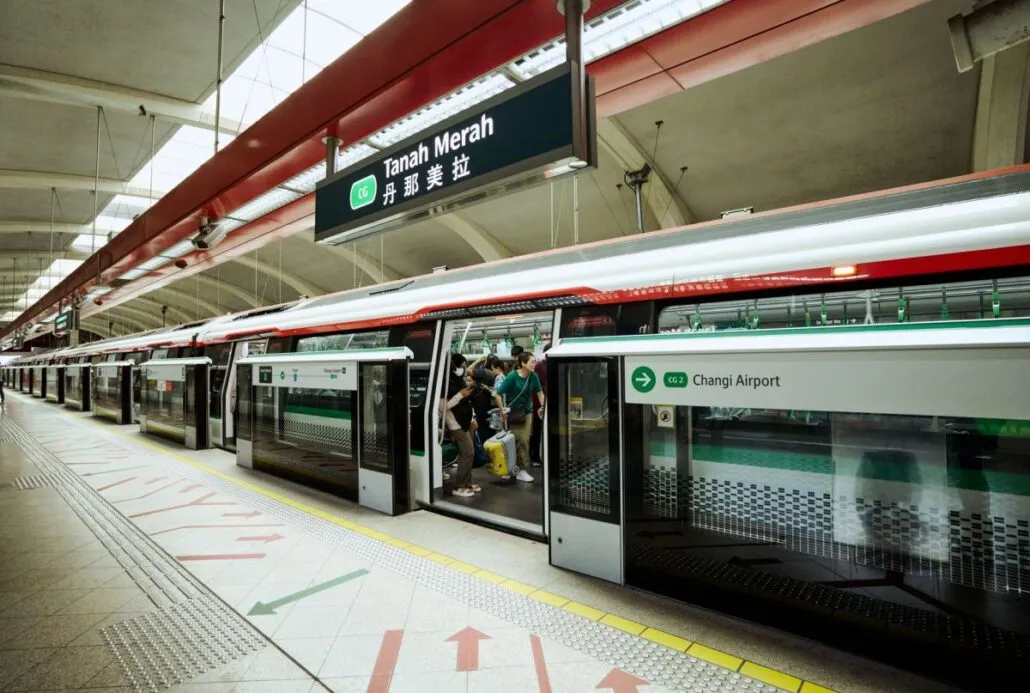
On 16 October 2026, gunshots fired during a crow culling operation at Aljunied MRT station drew crowds of onlookers and sparked concern among passengers. The noise and activity raised questions about why such a dramatic method was necessary and whether it poses a safety risk to commuters using the East West Line.
In this guide
- Why do MRT stations need crow culling?
- What sparked the safety concerns on 16 October?
- What alternatives to culling exist?
- How does this affect your commute on the East West Line?
- What should you do if you encounter maintenance at a station?
- How common is pest control at MRT stations?
- Before you tap in
- FAQ
Why do MRT stations need crow culling?
Crows and other birds congregate at MRT stations because of food scraps left by commuters, shelter from weather, and roosting spots on station infrastructure. Large bird populations create several problems. Droppings accumulate on platforms, seats and train cars, creating hygiene issues and demanding frequent cleaning. Damaged wiring, blocked drainage and corrosion of metal surfaces incur repair costs. Nesting materials can interfere with electrical systems. Aggressive birds may intimidate anxious passengers or elderly commuters.
SMRT, which operates the East West Line, manages pest control across its network of stations as part of routine maintenance. Aljunied (EW9) sits between Paya Lebar and Eunos on the green line. Like all Singapore MRT stations, it requires regular upkeep to keep the environment clean and safe for the thousands of riders using it daily.
Getting around Singapore? Find any station on the interactive MRT map, or save the PDF map to use offline.
What sparked the safety concerns on 16 October?
Observers questioned whether using firearms to cull crows at Aljunied was appropriate for an active transit hub. Gunshots drew commuters and bystanders to the scene, some of whom gathered to watch or record the operation. Critics, including feedback posted to Stomp, argued that discharging weapons at a busy station is dangerous and dramatic when other methods exist.
The main safety concern is the risk of operating firearms in a confined, crowded space. Even in a controlled operation, stray shots or ricochets could endanger commuters or staff. Loud gunshots also alarmed some passengers and may have caused distress. The operation raised questions about whether it should have occurred during quieter hours or with advance warning to passengers.
What alternatives to culling exist?
Several methods are used internationally to manage bird populations at transit hubs without discharging firearms. Netting excludes birds from roosting areas altogether. Spikes, wires and angled ledges make perching uncomfortable. Falconry, where trained hawks deter crows through predation mimicry, is effective and widely used at airports and transport hubs. Ultrasonic and visual deterrents (reflective tape, balloons, lights) are humane but only work temporarily before birds habituate. Netting combined with food waste management and sealed bins is considered the gold standard at most transport operators globally.
The choice depends on cost, effectiveness, the station’s specific layout and whether work can proceed with minimal disruption to service. Culling via firearms or poison is a last resort when other methods fail, as rapid population reduction prevents explosive growth that results from slow or inconsistent control.
How does this affect your commute on the East West Line?
Aljunied is a mid-line station on the East West Line between Paya Lebar (EW8) and Eunos (EW7). It sits on the green line’s eastern stretch heading towards Pasir Ris (EW1) or looping back towards Jurong East (EW24). If you normally alight at Aljunied or pass through it, a brief maintenance operation, even one that generates crowds, typically does not cause major delays or service suspensions.
If pest control work occurs during peak hours (7.00am to 9.00am or 5.00pm to 7.00pm on weekdays), disruption and crowds may affect platform safety and crowd flow. Most MRT maintenance is scheduled during off-peak times or overnight to minimise impact on riders. You can check first and last train times to understand when your service runs; first trains on the East West Line leave Pasir Ris around 5.19am on Mondays to Saturdays and last full-length trains leave terminals between about 11.18pm and 11.56pm.
What should you do if you encounter maintenance at a station?
If you arrive at a station during active maintenance work, stay calm and follow staff instructions. Do not gather near the maintenance area or photograph or film operational hazards. Keep to designated passenger zones and allow staff space to work safely. If crowds build up, use an alternative entrance or exit if available, or wait in a quieter part of the station until the work concludes.
Check the station’s information displays or ask staff for an estimated end time. Most routine maintenance finishes quickly; if you notice a prolonged delay, tap your SimplyGo EZ-Link card or contactless payment to exit and use an alternative route via another line or interchange. The MRT network is well connected, so an unexpected station closure rarely leaves you stranded.
How common is pest control at MRT stations?
Bird and pest management occurs throughout the entire network. SMRT and SBS Transit, which operate the six MRT lines and three LRT systems, carry out regular inspections and control measures to maintain station hygiene and infrastructure integrity. Most of this work happens behind the scenes: bins are sealed, drains are cleared, and preventive netting is installed, with minimal impact on passengers.
Culling operations are rarer and undertaken only when populations become unmanageable through other means. The Aljunied incident on 16 October drew attention precisely because it was unusual: the use of firearms at a busy transit station is noteworthy, and public feedback about safety concerns is understandable. Operators must balance effective pest control with passenger safety and comfort. Future similar operations may adopt quieter or less conspicuous methods in response to this feedback, or may schedule them during non-service hours to avoid alarming commuters.
Before you tap in
Maintenance and pest control at MRT stations are normal, necessary tasks that keep the network clean and functioning. However, when operations are disruptive or concerning, such as the Aljunied culling on 16 October, it is fair to raise questions about safety and method. Report any safety issues or unsanitary conditions to SMRT or SBS Transit via their customer service channels and stay informed about your station’s maintenance schedule through official apps and notices.