
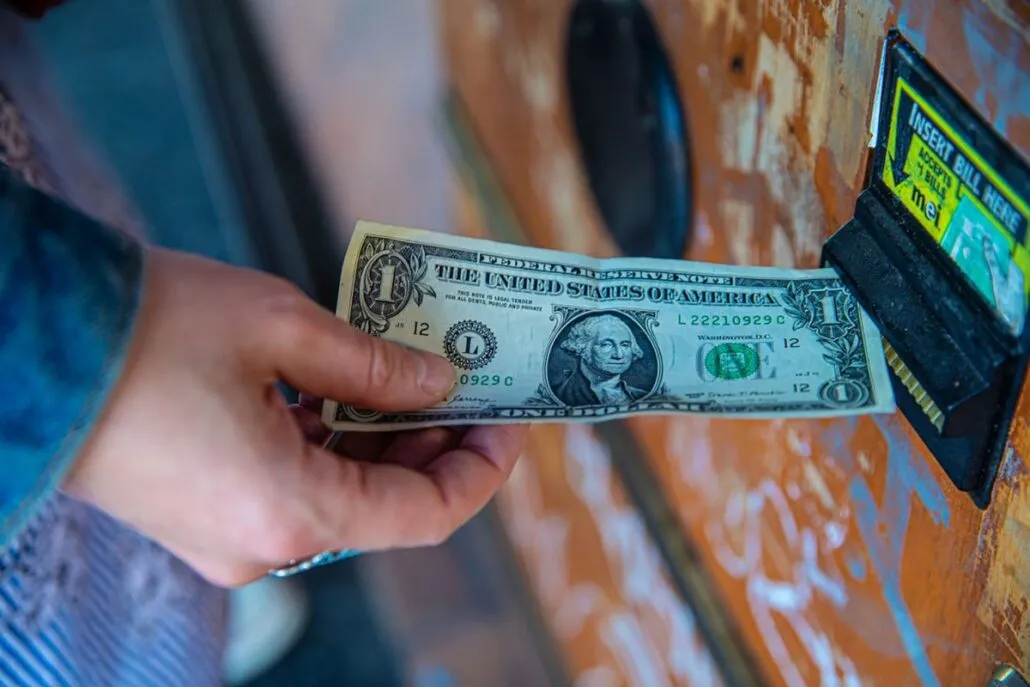
Changing money is now more convenient if you’re heading overseas. Five MRT stations have automated currency exchange machines that accept seven different currencies, allowing you to convert cash before travelling or after returning to Singapore.
- Where to find currency exchange machines at MRT stations
- Which seven currencies can you exchange?
- How to use currency exchange machines at MRT stations
- Why currency exchange at MRT stations makes sense
- Who benefits most from this service?
- Fees and what to watch for
- Planning your currency exchange around your commute
- How this compares to other exchange methods in Singapore
- Frequently asked questions about MRT currency exchange
- Before you tap in
- FAQ
Where to find currency exchange machines at MRT stations
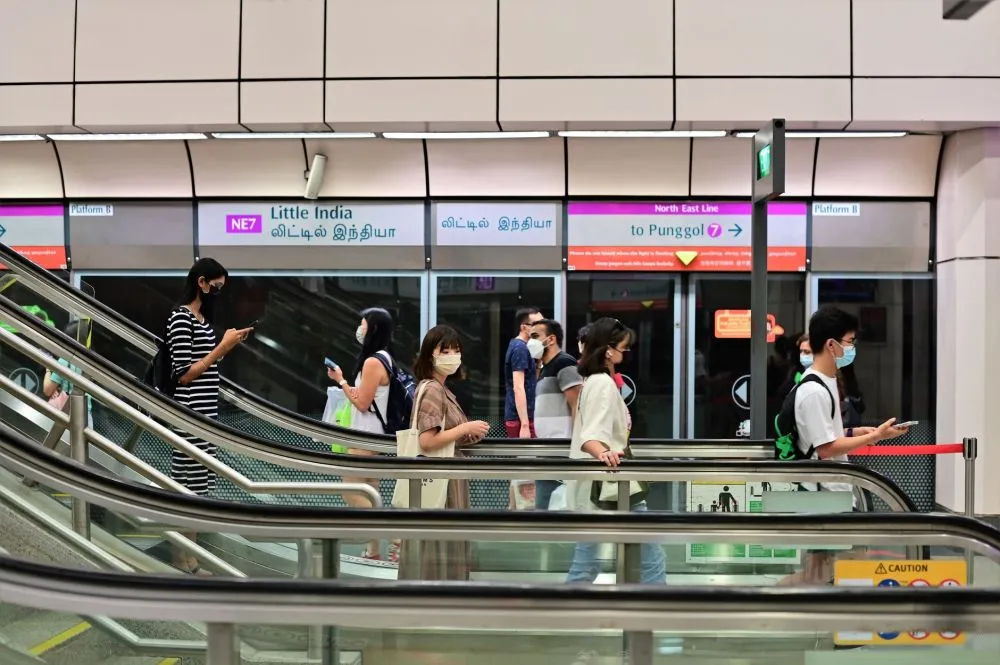
The five MRT stations were selected to cover major transit hubs and shopping districts. This placement targets commuters and visitors in high-traffic zones who frequently travel internationally.
Each machine operates during the same hours as the station itself. Since MRT lines open between 5.15am and 5.40am and close between 11.18pm and 11.56pm depending on the line, you can exchange currency during your commute or leisure trips to the city.
Getting around Singapore? Find any station on the interactive MRT map, or save the PDF map to use offline.
Which seven currencies can you exchange?
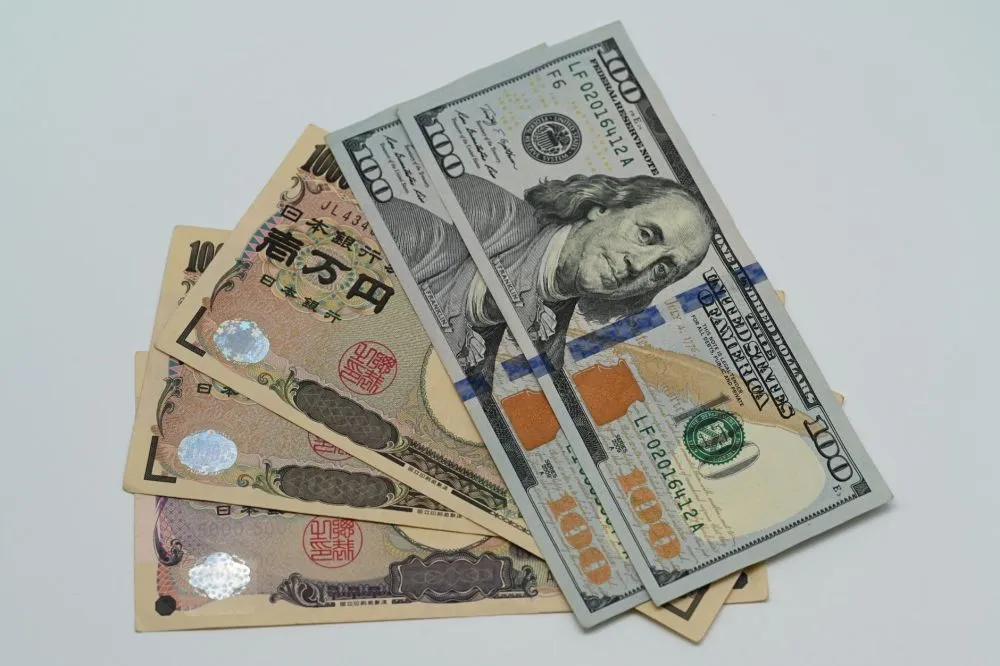
The machines support seven major international currencies, covering popular travel destinations across Asia-Pacific, Europe and North America. The seven currencies were selected based on demand among Singapore travellers heading to major trading partners and tourist destinations.
Exchange rates update regularly to reflect live market conditions. Unlike fixed rates at some retailers, these machines display the rate before you confirm the transaction.
How to use currency exchange machines at MRT stations
Using the machines is straightforward. Insert your currency notes into the slot, select your target currency, and the machine counts, validates and dispenses your converted cash. Most transactions take under two minutes.
Have your foreign currency notes ready. The machines accept most denominations but may reject worn, torn or heavily marked notes, similar to ATMs. Keep your receipt in case you need to dispute the transaction.
Some machines may have daily limits on how much you can exchange in a single transaction or over 24 hours, though this varies by operator. For large amounts, check the screen prompts or ask station staff before inserting notes.
Why currency exchange at MRT stations makes sense
The main advantage is convenience. You avoid detours to bank branches, shopping mall changers or airport counters. Whether you’re at an MRT station heading to Changi for your flight or returning from overseas with leftover currency, the machines are available.
The selected stations are major interchanges and retail hubs. These locations see high footfall from travellers, making them logical spots for currency services.
Machines operate outside bank hours. If you need to exchange money on a Saturday evening, Sunday or public holiday, you can do so at any of the five MRT stations during operating hours.
Who benefits most from this service?
International visitors landing at Changi Airport on the East West Line can exchange currency at the station before taking the train into town, rather than waiting for a mall changer. Frequent travellers heading to the airport can avoid carrying extra cash or relying on ATMs at their destination.
Residents returning from holidays with leftover foreign cash benefit from this convenience. You can exchange notes on your way home through an MRT station instead of making a separate trip.
Business travellers on tight schedules appreciate the speed of the service. No queue, no paperwork, no waiting for staff to count notes. You tap the screen, feed in your currency, and walk away with Singapore dollars or your target currency.

Fees and what to watch for
Currency exchange machines typically charge a transaction fee or apply a margin on top of the live exchange rate. This is standard practice across all automated currency services, including ATMs abroad. The exact fee should display on screen before you confirm the transaction, giving you a chance to proceed or cancel.
Check that the machine accepts your currency and denomination before inserting notes. Some machines may not accept very old notes, damaged currency or coins (most only take banknotes). If a note is rejected, the machine returns it immediately.
Keep your converted cash secure once you receive it. Like any cash withdrawal from an ATM, the responsibility for safekeeping is yours once the transaction completes.
Planning your currency exchange around your commute
If you use the MRT regularly, timing your currency exchange with your normal commute makes sense. You’re already at the station, so swapping cash takes minutes rather than requiring a separate trip.
For international flights, plan to exchange currency the day before or the morning of your trip, during quieter hours. This avoids last-minute stress and long queues at airport money changers, though remember that MRT services don’t run 24 hours and last trains leave well before midnight.
Returning from overseas, you can exchange currency at your arrival station (if it’s one of the five with machines) while heading into town. This clears leftover notes immediately instead of accumulating them at home.
How this compares to other exchange methods in Singapore
Currency exchange at MRT stations sits between the convenience of mall changers and the speed of ATMs. You get real cash instantly (unlike transferring money to an overseas bank account), but without needing to visit a dedicated money changer during specific hours.
For residents, this removes the excuse of “I don’t have time to go to a changer”. For tourists, it means you’re not stuck with excess Singapore dollars at the end of your trip, unable to convert back without hassle.
The service is especially useful for trips to neighbouring countries like Malaysia or Thailand, where you’ll want Malaysian ringgit or Thai baht on arrival. Exchanging at an MRT station moments before your train or taxi ride beats trying to find a changer at a border or in an unfamiliar town.
Frequently asked questions about MRT currency exchange
Before you tap in
Currency exchange machines at MRT stations remove one more friction point from international travel. Whether you’re heading out of Singapore or dealing with leftover foreign cash when you return, the service is there during your commute, no detour needed.
Check which MRT station near you has an exchange machine, and use it your next time you’re travelling. You’ll save the trip to a shopping mall or bank branch, and the convenience is hard to beat.