
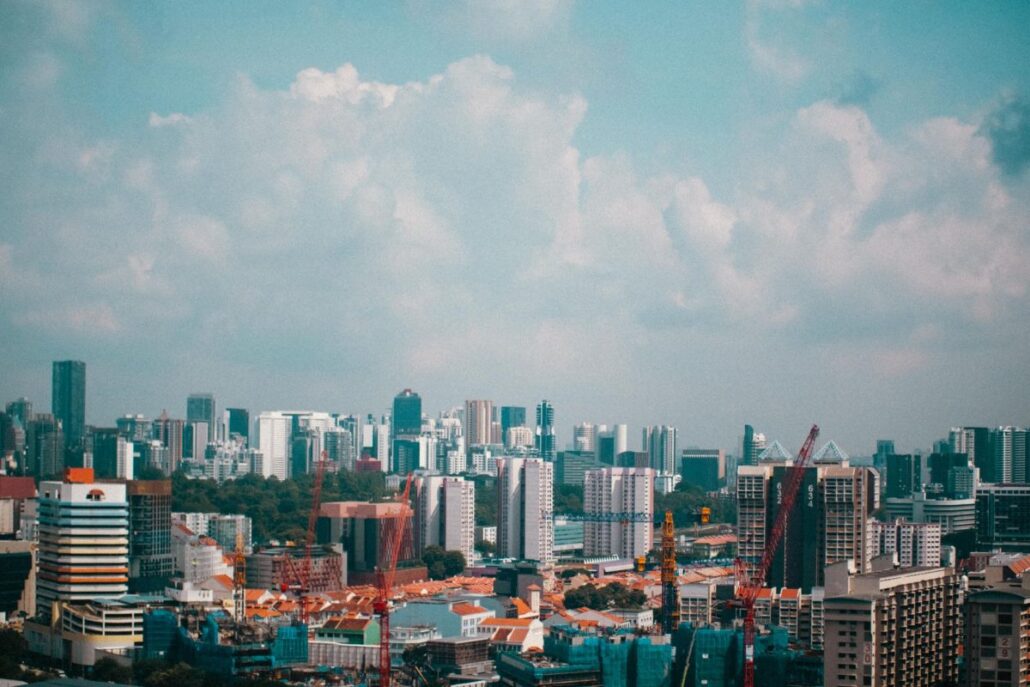
Commuter fatigue rarely comes from one bad trip. It builds from a hundred small detours: a footpath that moves, a crossing that shifts, a shop entrance you now have to hunt for.
- What does the commentary say about commuter fatigue?
- Why does a later opening date add to commuter stress?
- How could planners reduce commuter fatigue?
- How can you manage commuter fatigue on your own journey?
- Which rail routes give a steadier commute?
- Who feels commuter stress most, and what helps them?
- What happens next for the North-South Corridor?
- Before you tap in
- FAQ
In a commentary published on 5 October 2026, CNA carried the argument that a liveable city must stay liveable while it is being built. The authors are from the Singapore University of Technology and Design (SUTD). Their piece was published as Members of Parliament filed questions on the corridor delay for the sitting on 6 October 2026.
| Key fact | Detail |
|---|---|
| Project | North-South Corridor construction |
| Works began | 2018 |
| Original plan | Open in stages from 2027 |
| Current expectation | Begin opening in 2029 |
| Commentary by | Samuel Chng and Sarah Chan, SUTD |
| Status as of 6 October 2026 | Under construction; delay raised in Parliament |
What does the commentary say about commuter fatigue?
The commentary says repeated small changes to everyday routes drain people more than any single disruption does. Each diversion needs extra attention, extra time and often a backup plan.
Most of us never think about the walk to the bus stop or where to cross the road. That ease is what disappears when a route keeps changing. You check directions you used to know by heart, and you leave earlier in case.
The authors also point to research on rail commuters that links perceived unpredictability with greater stress. They are careful to say it does not measure this corridor. Still, it explains why knowing what to expect matters: people adapt better when they can anticipate.
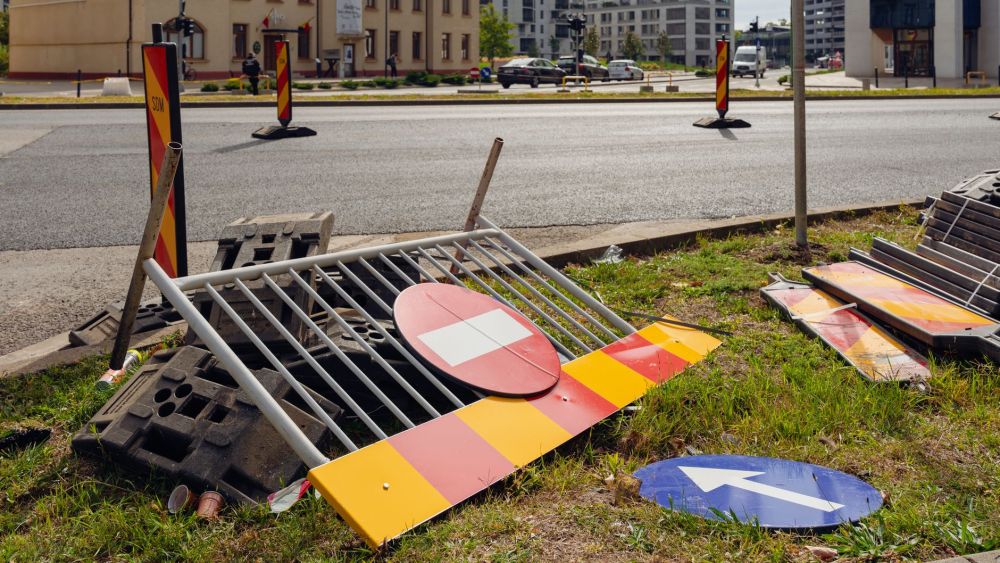
Then there is the cumulative effect. An extra walk or a late bus is fine on one day. Add months of noise and dust, and for residents beside the works, home offers no respite. This is the core of construction disruption as a daily experience rather than a one-off event.
Getting around Singapore? Find any station on the interactive MRT map, or save the PDF map to use offline.
Why does a later opening date add to commuter stress?
A revised date moves the finish line people have been working towards. The corridor was first scheduled to open in stages from 2027, and it is now expected to begin opening in 2029.
According to the commentary, people who anticipated relief must now reconsider how much longer they can cope. That is a psychological cost on top of the physical detours. It also explains why someone can support the project and still feel worn down by it.
The Land Transport Authority (LTA) has described difficult ground conditions and the complexity of working close to existing roads, utilities and operating MRT infrastructure. Those constraints are real. The authors argue that recognising them should make us more thoughtful about what affected communities carry, not less.
Think of it this way. Planners count years of project time, but a commuter counts mornings. Two extra years is about two years of altered mornings.
How could planners reduce commuter fatigue?
The most practical fixes are clear advance notice, stable temporary routes and honest timelines. The commentary stresses that predictability gives people room to adapt. These are my own suggestions, built on that principle.
- Announce changes early. A diversion you hear about a week ahead is an inconvenience. One you discover at the corner is a shock.
- Keep temporary routes stable. Changing a diversion twice in a month costs more attention than one longer detour that stays put.
- Signpost for the whole journey. Clear directions at both ends of a diverted path help older residents and first-time visitors alike.
- Explain delays plainly. When a date slips, say why and what that means for the next 12 months of works nearby.
- Support small businesses. A shop entrance that is hard to find loses customers, and the stress spreads beyond commuters.

None of this removes the noise. It does reduce uncertainty, which the research ties most closely to stress. For official notices, check the LTA website and your bus or rail operator’s channels.
How can you manage commuter fatigue on your own journey?
You can lower your own load by building slack into your plan, testing alternatives before you need them and spreading the strain across the week. Five habits help most.
- Check notices weekly, not daily. A short Sunday-evening look at your usual route beats frantic morning searches.
- Add a fixed buffer. Decide on a set number of extra minutes for important appointments, and keep to it rather than guessing each day.
- Try a backup route on a calm day. Learn it when nothing depends on it.
- Use the early window. Tapping in before 7.45am on a weekday earns a discount on adult card fares, and the platforms are calmer. See the fares table for how distance bands work.
- Know your last train. Last full-length trains leave the terminals in the late evening, so confirm yours on the operating hours page.
Which rail routes give a steadier commute?
If street-level detours near your home are the problem, a rail leg with fixed stations can steady the rest of your trip. Singapore’s north has more than one rail option into town.
The table below compares three. It is a planning aid, not an official diversion list, so treat it as options to test.
| Option | Useful stations and interchanges | Best for |
|---|---|---|
| North South Line (red, NS) | Woodlands NS9, Bishan NS17 (links to CC15), Newton NS21 (links to DT11), Orchard NS22, Dhoby Ghaut NS24 | Direct heartland-to-town trips with many transfers |
| Thomson-East Coast Line (brown, TE) | Woodlands TE2, Caldecott TE9 (links to CC17), Stevens TE11 (links to DT10), Orchard TE14 | Reaching Orchard and the southern city without the red line |
| Circle Line (orange, often called the yellow line, CC) | Bishan CC15, Caldecott CC17, Serangoon CC13 (links to NE12), Botanic Gardens CC19 (links to DT9) | Cross-island hops that bypass town entirely |
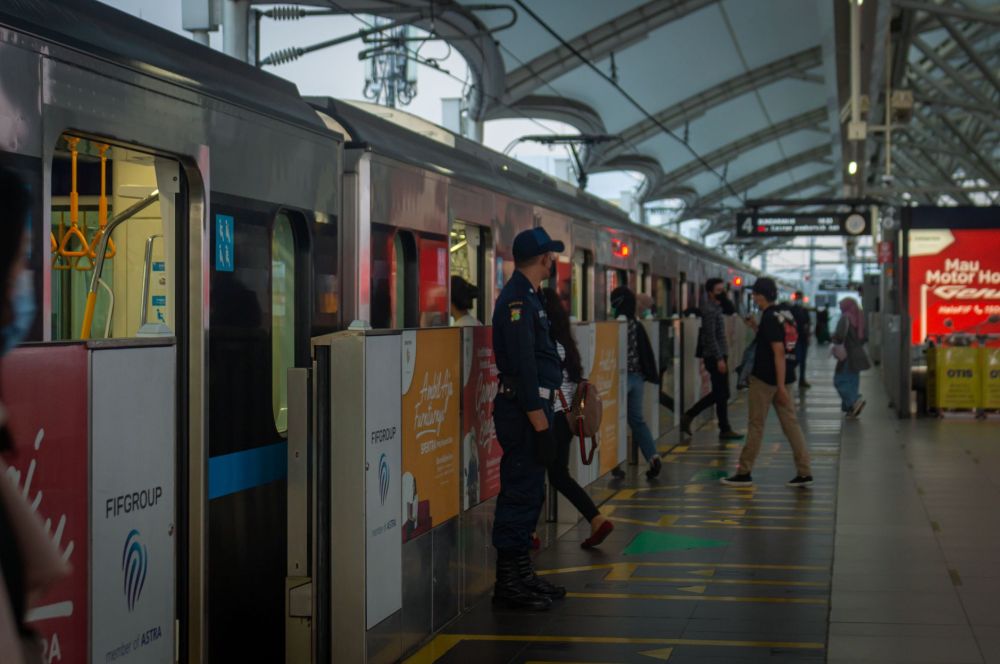
A practical example: if you live near Woodlands, the North South Line and the Thomson-East Coast Line both start from the same area, so you have a fallback if one has a bad morning. Caldecott is a useful switch because it joins the brown and orange lines. You can see every stop on the interactive MRT map.
Rail has been steadier: MRT reliability reached a record high in August 2026, as covered in our reliability report. That makes the train leg the most predictable part of many commutes.
Who feels commuter stress most, and what helps them?
Caregivers, shift workers and older residents feel it most, as a late journey costs them more than a few lost minutes. The commentary gives the example of someone balancing work and caregiving, for whom an unpredictable trip can decide whether a child is collected on time.
For this group, reliability matters more than speed. A slightly longer route with fewer changes and a known walking path usually outweighs a shorter one dependent on a diversion. Plan the leg that worries you most first, then build the rest around it.
Employers can help as well. Flexible start times during heavy works nearby would ease the pressure on staff living beside the corridor. Schools and clinics could do the same for appointment slots. These small, low-cost gestures recognise commuter stress as a real daily burden.

What happens next for the North-South Corridor?
As of 6 October 2026, the corridor is under construction and is expected to begin opening in 2029. The delay is among the issues Members of Parliament filed questions on for 6 October 2026.
Until then, the real test lies in how well daily disruption is communicated. The commentary’s central point is fair: support for a project and frustration with its delivery can both be true. Planners and commuters will both manage better if timelines, detours and notices stay clear and consistent.
Rail expansion elsewhere gives some context. The Jurong Region Line, for example, is targeted for Stage 1 around mid 2028, and our report on how tough terrain shaped the Jurong Region Line build shows why large projects run into hard ground. If you want to decode terms such as interchange or stage, the MRT glossary explains them.
Before you tap in
Pick one backup route this week and ride it once at a quiet hour. Then check the MRT lines page to see which other lines meet yours, and note upcoming fare changes on our fare increase report. A rehearsed plan is the cheapest cure for commuter fatigue.