
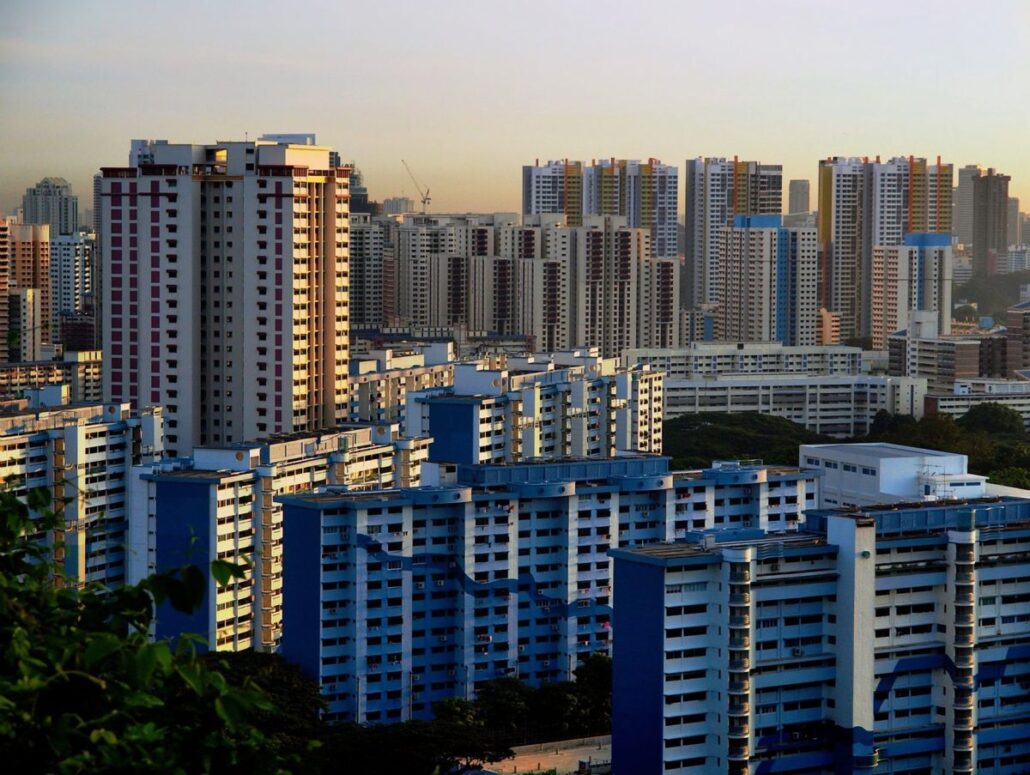
Yishun bus stop art has turned a few minutes of waiting into a free gallery visit in the heartlands. Since July 2026, photographs, posters and illustrations have appeared on the noticeboards at eight bus stops around the town.
The Straits Times reported on 30 September 2026 that the project is run by a community non-profit called Playces. It is a rare case of public art that needed no new construction, only a smarter use of boards that were already there.
- What is the Yishun bus stop art project?
- What can you see at the eight Yishun bus stops?
- Which MRT station is closest to the Yishun bus stop art?
- How does the noticeboard scheme compare with station artworks?
- How can artists and residents join Yishun bus stop art?
- How do you make a trip to see it worthwhile?
- Before you tap in
- FAQ
What is the Yishun bus stop art project?
It is a six-month pilot by Playces, a community building non-profit, that lets people with ties to Yishun show creative work on bus stop noticeboards. The Land Transport Authority (LTA) supports it, and it launched in July 2026.
The idea builds on something LTA already offers. Members of the public can freely display advertisements on noticeboards at 40 bus stops in towns such as Yishun, Boon Lay, Tampines and Jurong East. Playces uses that provision for art instead of ads, so no new structure was needed.
Gena Soh, the founder of Playces, said her team saw the boards as an overlooked opportunity. She described a bus stop as a surprisingly multi-stakeholder place, which can make public space feel hard for ordinary residents to influence. Her view is that the same complexity is also an opening.
Money is modest. Playces received a S$5,000 seed fund through the Singapore Government Partnerships Office. According to Soh, it covers materials and printing, volunteer honorariums, and marketing and public education around the project.
An LTA spokesperson said this is the first pilot in which members of the public can put up artwork on designated bus stop noticeboards. The spokesperson called it an experiment to encourage community creativity and enliven the commuting experience. The free noticeboards themselves date from 2011, when they were introduced to give the public a legitimate place to post ads and to curb indiscriminate posting around bus stops.
Getting around Singapore? Find any station on the interactive MRT map, or save the PDF map to use offline.
What can you see at the eight Yishun bus stops?
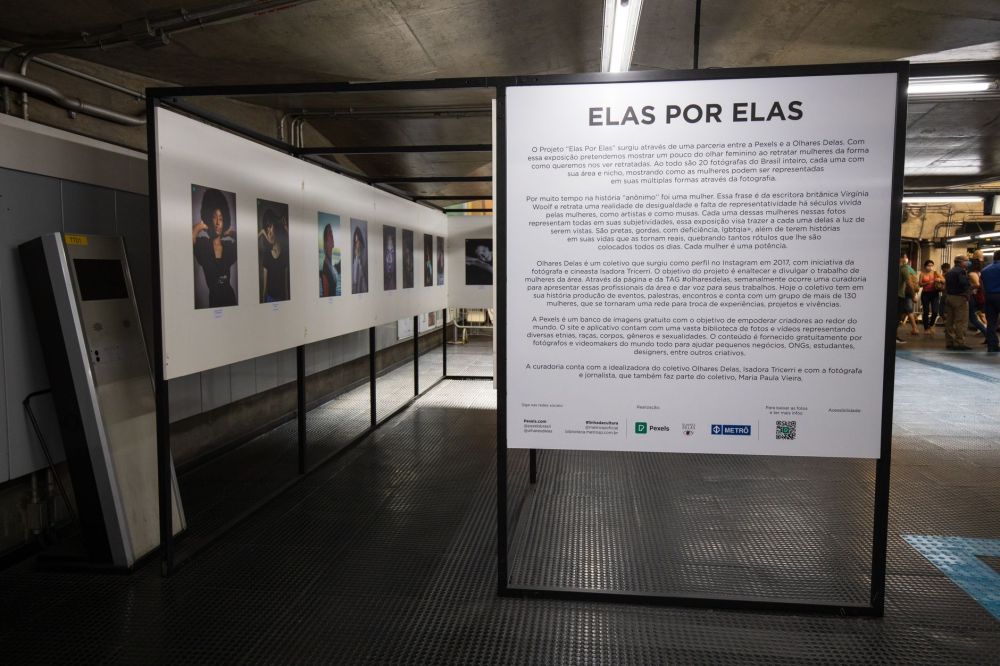
When The Straits Times visited on 23 September 2026, six of the eight boards carried a mini exhibition by artist Jun Zuan Ang. The other two held a mixed set of posters and artwork. Contributions range from illustrations to memes.
Ang’s photographs were all taken in Yishun and explore different states of waiting. They included clothes hung out to dry, road signs near the Yishun Columbarium and senior citizens resting at void decks. The theme suits the setting, because a bus stop is where residents stand still the longest.
Other contributors come from the neighbourhood too. Muhammad Aqil Azhad, who has lived in Yishun since birth, submitted two pieces to add a touch of playfulness. He felt the environment can seem too standardised. A design communication undergraduate at Lasalle College of the Arts, he also wanted to challenge the idea that art is hard to find in the heartland.
Freelance illustrator Siti Nurani, 39, also saw value in bringing art into public spaces. Her view matters because working illustrators rarely get a street-level audience without paying for a gallery slot.
The project has had setbacks. Contractors cleared some creative works earlier than planned, according to Soh. Playces still intends to continue, and volunteers refresh the eight boards at the start of each month.
Which MRT station is closest to the Yishun bus stop art?
Yishun MRT (NS13) on the North South Line (NSL) is the natural starting point. The eight boards are at bus stops around the town, so you will usually combine a train ride with a short walk or a bus.
The Yishun MRT Station page lists the exits and surrounding facilities. On the North South Line, Yishun sits between Canberra (NS12) and Khatib (NS14). The line is operated by SMRT. From town, board a train towards Jurong East.
Where you change depends on where you live. Here are common routes into Yishun, using only interchanges on the verified network:
- From Orchard or Dhoby Ghaut: stay on the NSL. Dhoby Ghaut is NS24, NE6 and CC1, so it also works if you are coming off the North East Line or Circle Line.
- From Sengkang or Punggol: ride the North East Line to Serangoon (NE12/CC13), change to the Circle Line, and alight at Bishan (CC15/NS17) to join the NSL.
- From Jurong East: the NSL runs directly, since Jurong East (NS1) is the line’s terminus.
The scheme is wider than Yishun, though. This table shows where the 40-stop noticeboard provision reaches and which station anchors each town.
| Town | MRT station and code | Line (operator) | Noticeboard status |
|---|---|---|---|
| Yishun | Yishun (NS13) | North South Line (SMRT) | Art pilot at eight bus stops |
| Boon Lay | Boon Lay (EW27) | East West Line (SMRT) | Part of the 40-stop scheme |
| Tampines | Tampines (EW2/DT32) | East West Line (SMRT), Downtown Line (SBS Transit) | Part of the 40-stop scheme |
| Jurong East | Jurong East (NS1/EW24) | North South Line and East West Line (SMRT) | Part of the 40-stop scheme |
If you live near Boon Lay, Tampines or Jurong East, you already have free noticeboards on your doorstep. Only Yishun has the curated art pilot, so the others remain ordinary notice and ad boards.
How does the noticeboard scheme compare with station artworks?
Station artworks are permanent features designed into stations, while Yishun bus stop art is temporary, resident-led and replaced monthly. They reach commuters in different places and at different moments.
The Art in Transit programme puts commissioned works inside MRT stations, where you pass them on the way to the fare gates. Bus stop boards catch you at a different moment. You are stationary, often for a few minutes, and the audience includes people who never ride the MRT.
Reach is the strength here. Many heartland residents, including seniors, rely on buses for short neighbourhood trips. A bus stop board is the one piece of public space they use every day.
The temporary format also lowers the barrier. A commissioned station artwork takes years of planning. A noticeboard piece can be printed on a modest budget, allowing Playces to fund materials and honorariums from S$5,000.
The scheme also serves other purposes. LTA created the boards in 2011 to reduce messy ad posting, and that purpose still stands. The art pilot simply tests whether the same legitimate channel can serve culture as well as commerce. For official details on bus stops and public transport infrastructure, see the Land Transport Authority website.
How can artists and residents join Yishun bus stop art?
Contributions come from people with ties to the neighbourhood, and Playces runs the project. If you want your work considered for the Yishun bus stops, approach Playces rather than pinning something up on your own.
There is a practical reason for that. Volunteers manage the eight boards and refresh them monthly, and contractors have already cleared some works earlier than planned. Coordinating with the organisers gives your piece a better chance of staying up for the full month.
The range is broad. Contributions have included photographs, illustrations, posters and memes, so you do not need a formal art background. Aqil, an undergraduate, and Siti, a freelance illustrator, show how varied the contributors are.
Printing matters more than most people expect. A bus stop board is outdoors, so a piece must be legible from a short distance and survive Singapore’s weather. Bold shapes and clear contrast will read better to someone standing in a shelter than fine detail.

How do you make a trip to see it worthwhile?
Plan a short loop of several stops. With eight boards spread around Yishun, the easiest approach is to alight at Yishun, visit a few bus stops, and keep your journey flexible.
Pay for buses the same way as trains. Tap in with a contactless bank card, a mobile wallet through SimplyGo, or an EZ-Link or SimplyGo card, and tap out when you alight. Fares are distance-based, and adult fares rise by up to 13 cents from 26 December 2026, as covered in our fare increase report.
Trains run from about 5.30am to around midnight, and the MRT does not run 24 hours. Daytime is also better for the art, because the boards are lit by natural light and you can see the details.
Make it a themed outing. Ang’s photographs of waiting, clothes drying and seniors resting at void decks invite you to compare them with the real scenes around you. Look up from the board and you will probably find the same subjects within sight.
Serious about exploring the wider network? The MRT Stations in Singapore directory helps you plan similar neighbourhood trips by station.
Before you tap in
Yishun bus stop art runs as a six-month pilot, so treat it as a limited-time reason to explore the town. Start at Yishun (NS13), plan around the monthly refresh, and keep an eye on the boards in Boon Lay, Tampines and Jurong East too. For route planning, open the Singapore MRT map and check your interchange before you leave.